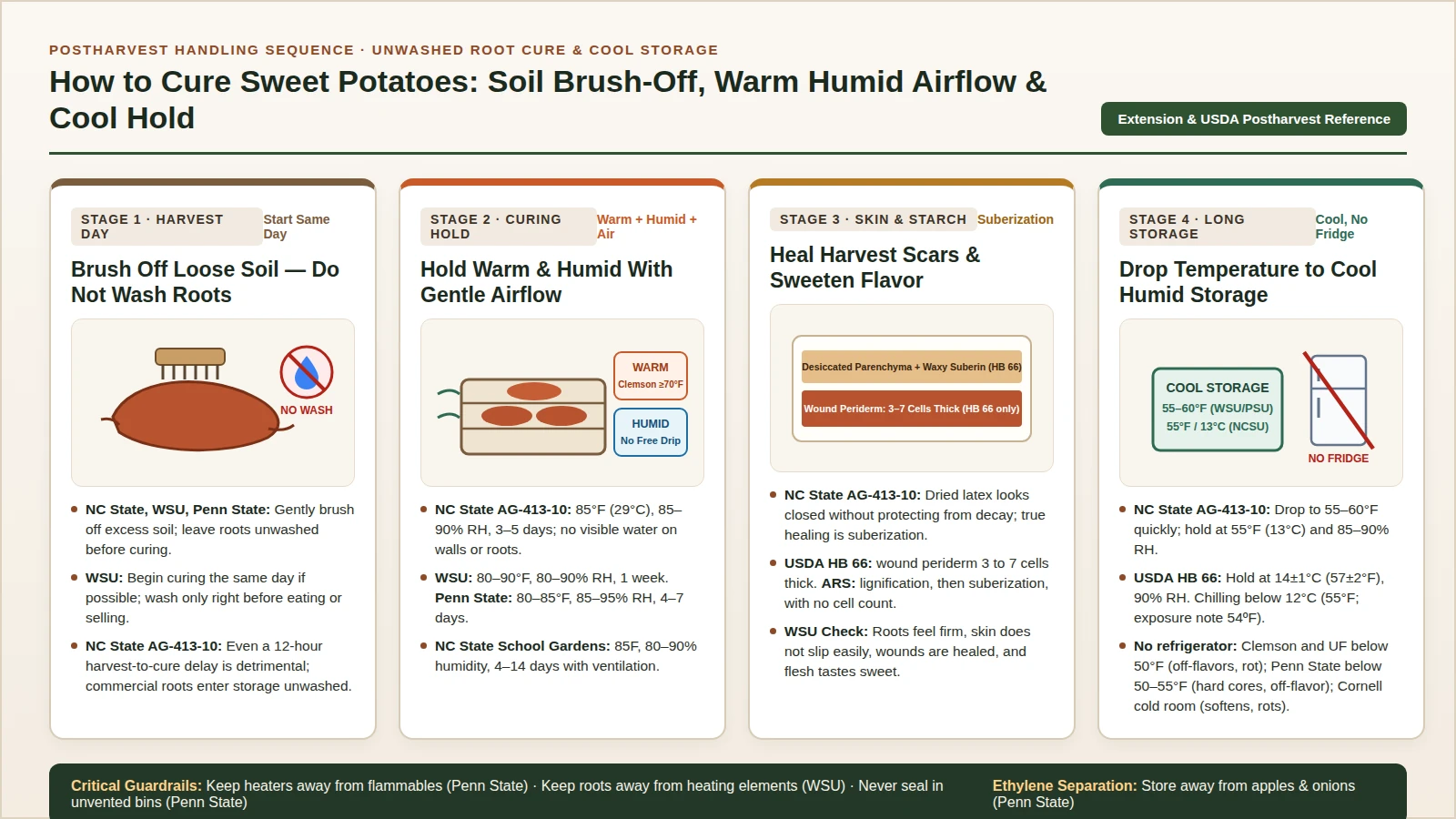
How to Cure Sweet Potatoes: Heat, Humidity & Storage
To cure sweet potatoes, brush off soil without washing, hold roots warm and humid with gentle airflow to heal wounds, then store cool without refrigeration.
Comprehensive guides on home growing, compost fertility, mushroom production, and produce packaging.
To cure sweet potatoes, brush off soil without washing, hold roots warm and humid with gentle airflow to heal wounds, then store cool without refrigeration.
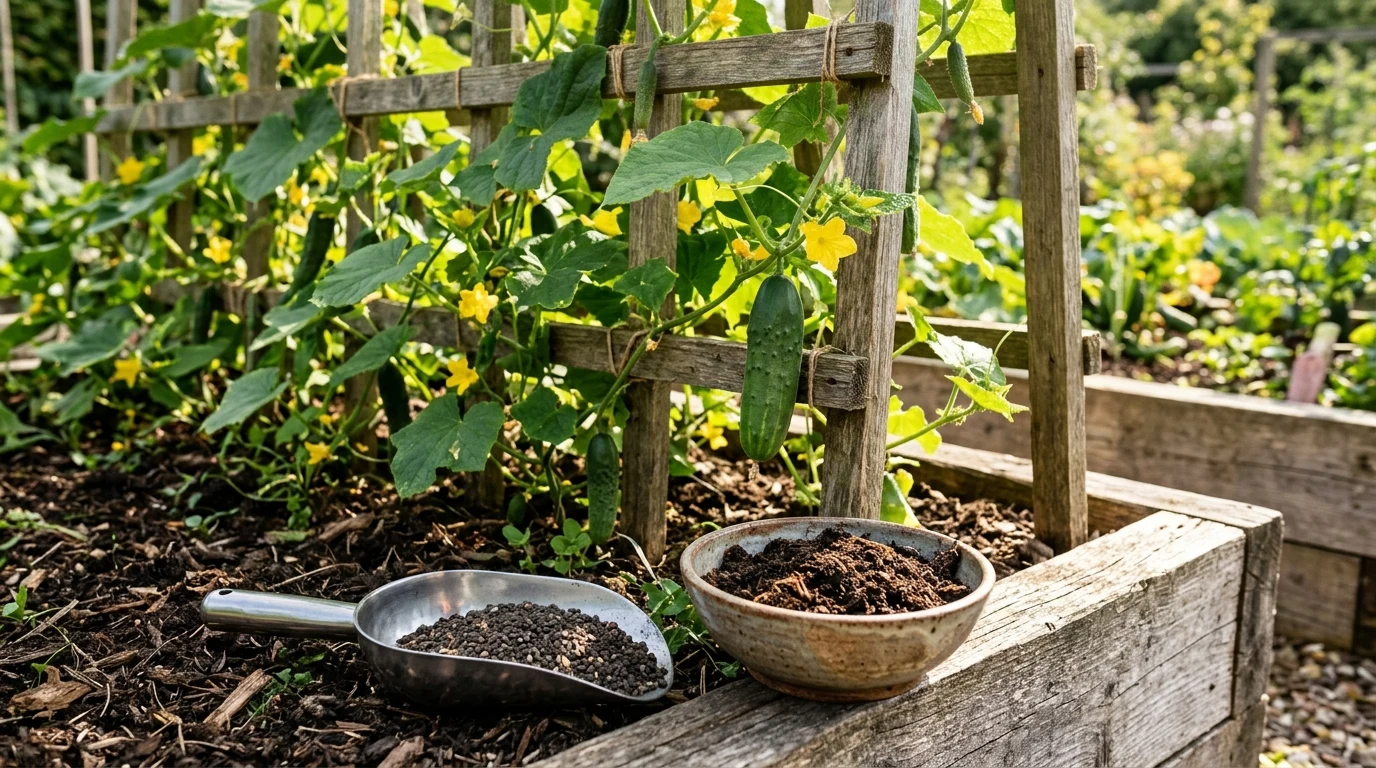
Plan organic fertilizer for cucumbers and vegetable beds with pre-plant compost incorporation, post-bloom side-dressing, and root-zone banding.
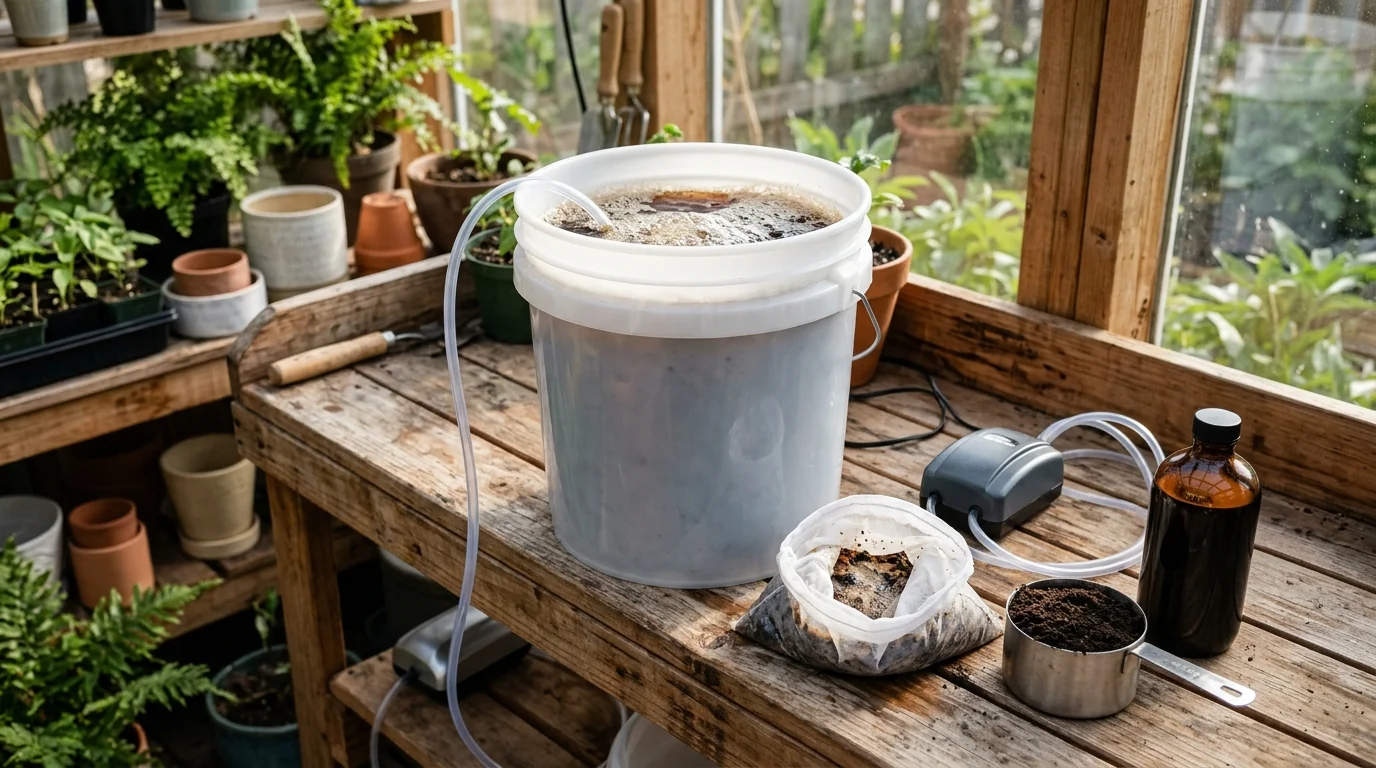
Calculate aerated and non-aerated compost tea brew ratios, check molasses safety limits, verify aerobic smell and foam cues, and dilute finished tea for plants.
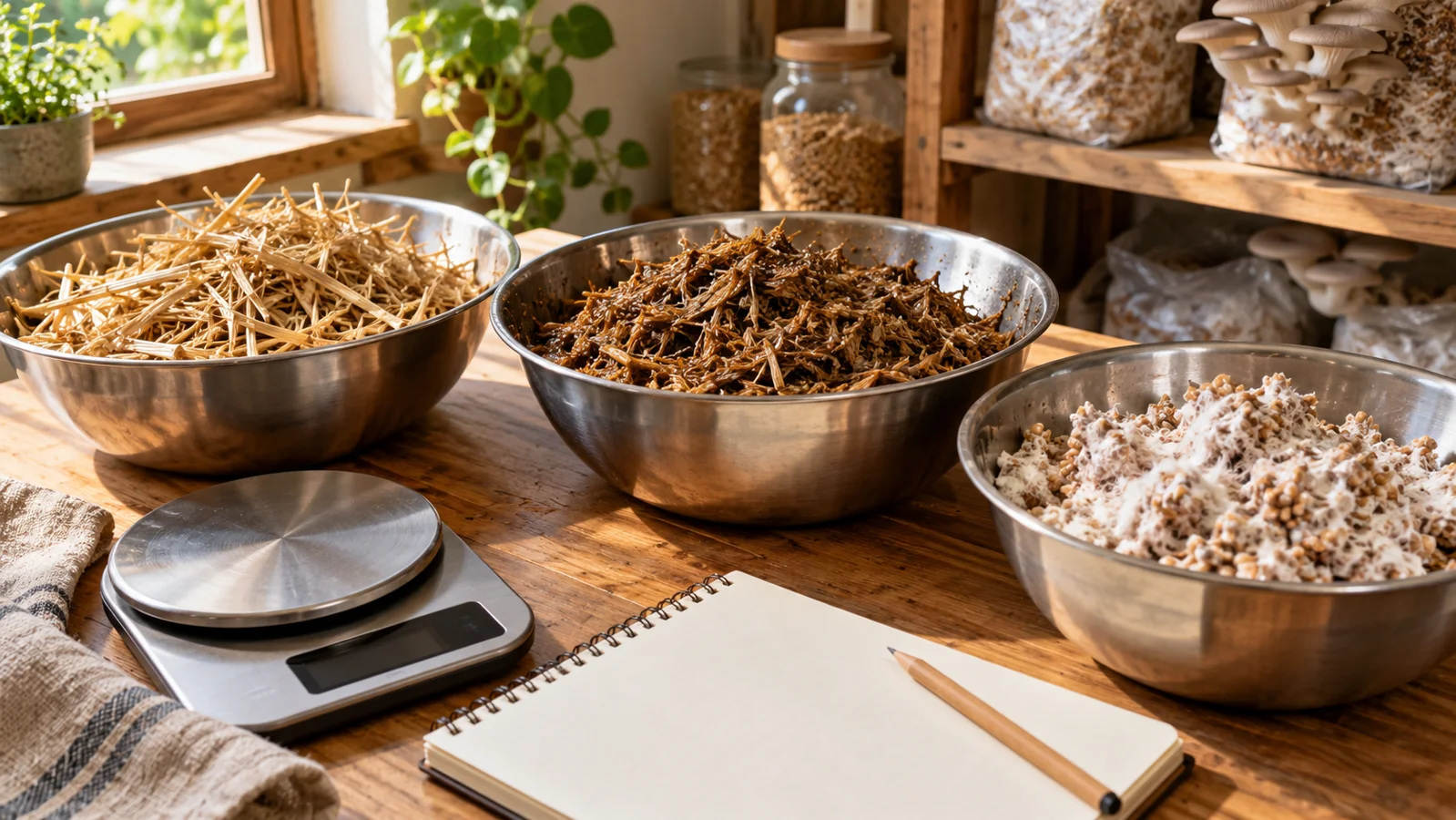
Plan your mushroom substrate batch: dry ingredients, hydrated weight, spawn to substrate ratio, a worked calculation and a pre-mixing checklist.
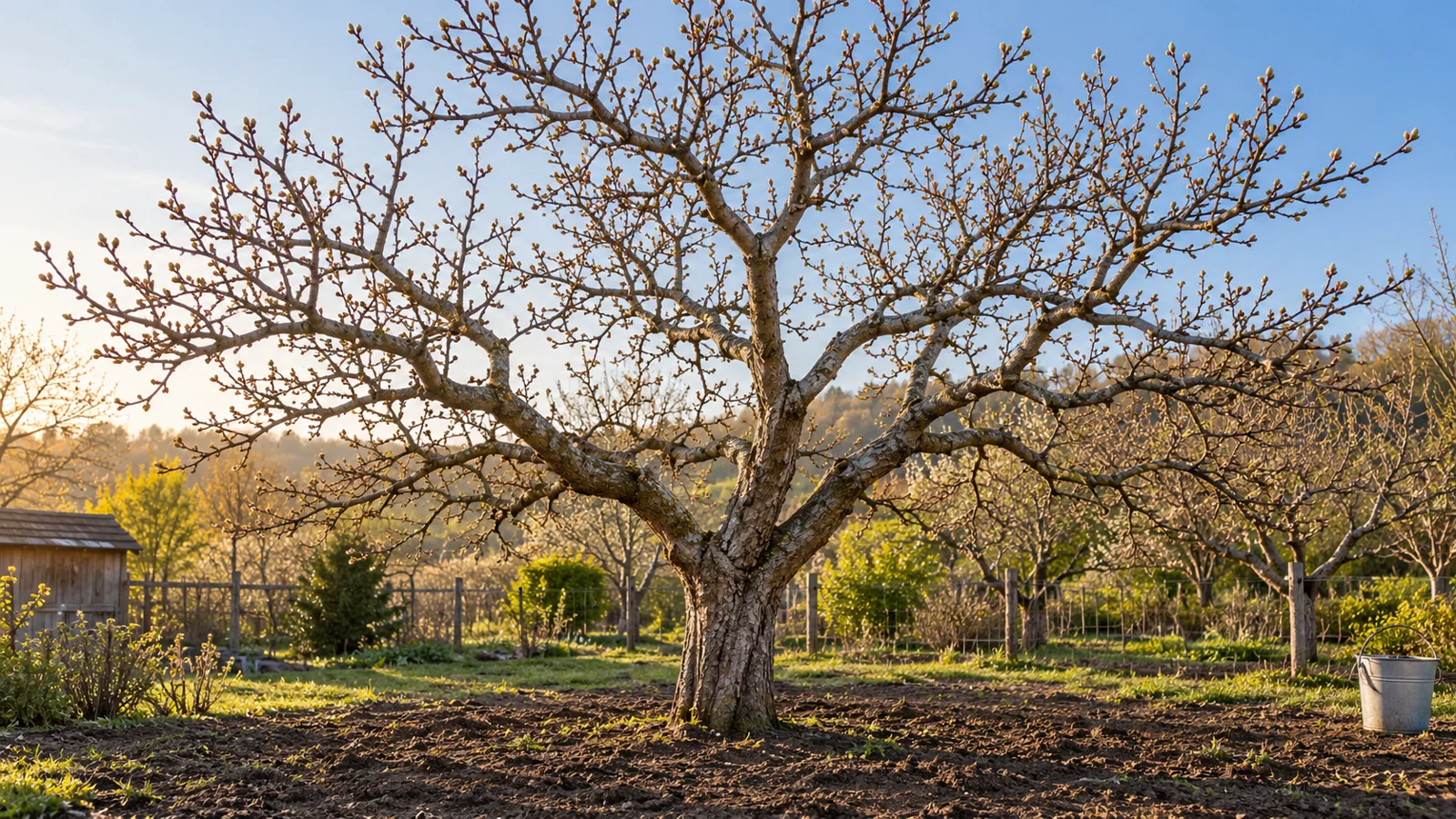
Plan organic fertilizer for fruit trees with regional spring timing, drip-line placement, application steps, compost choices, and an organic vs synthetic comparison.
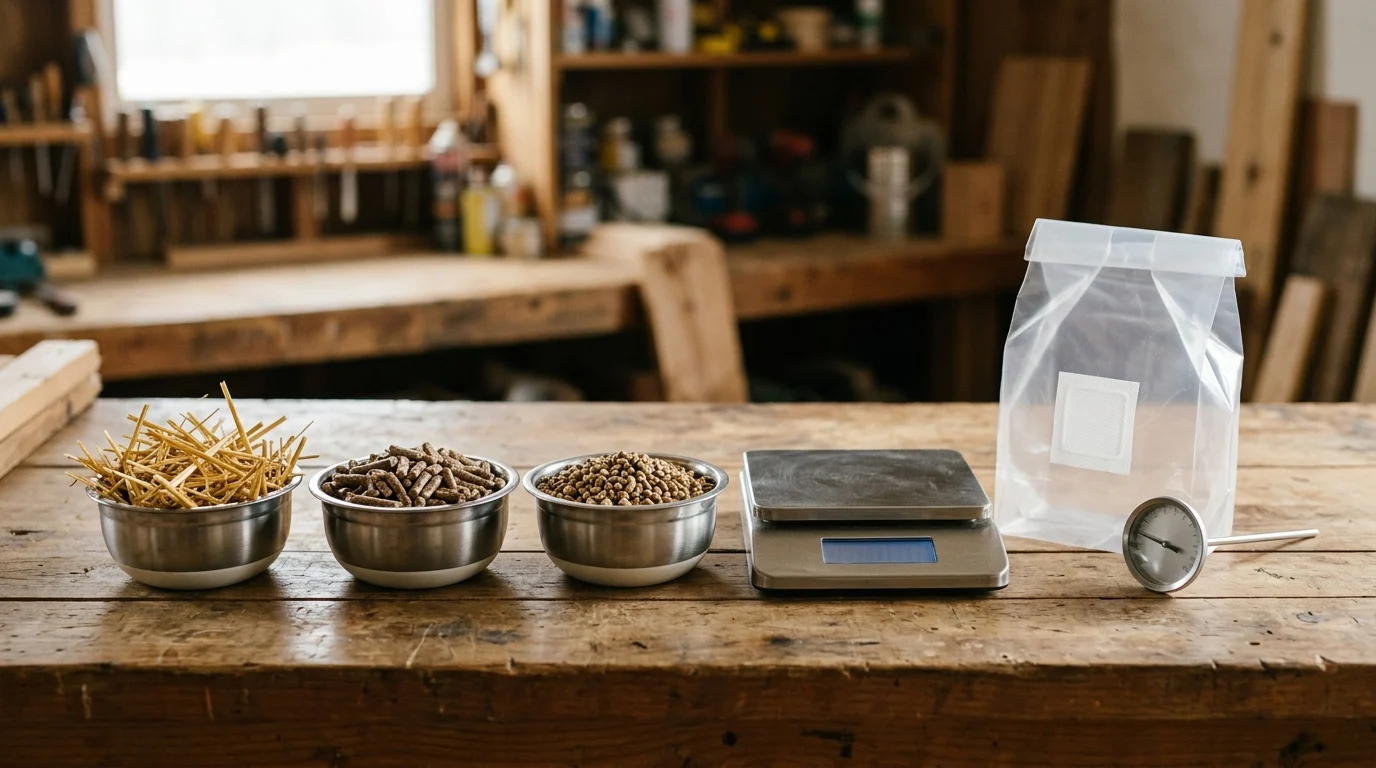
Calculate mushroom substrate recipes from dry to wet weight (60%–69% moisture), size 5%–10% wet-weight spawn rates, and hold 160–170°F hot-water or 60–65°C steam pasteurization windows.
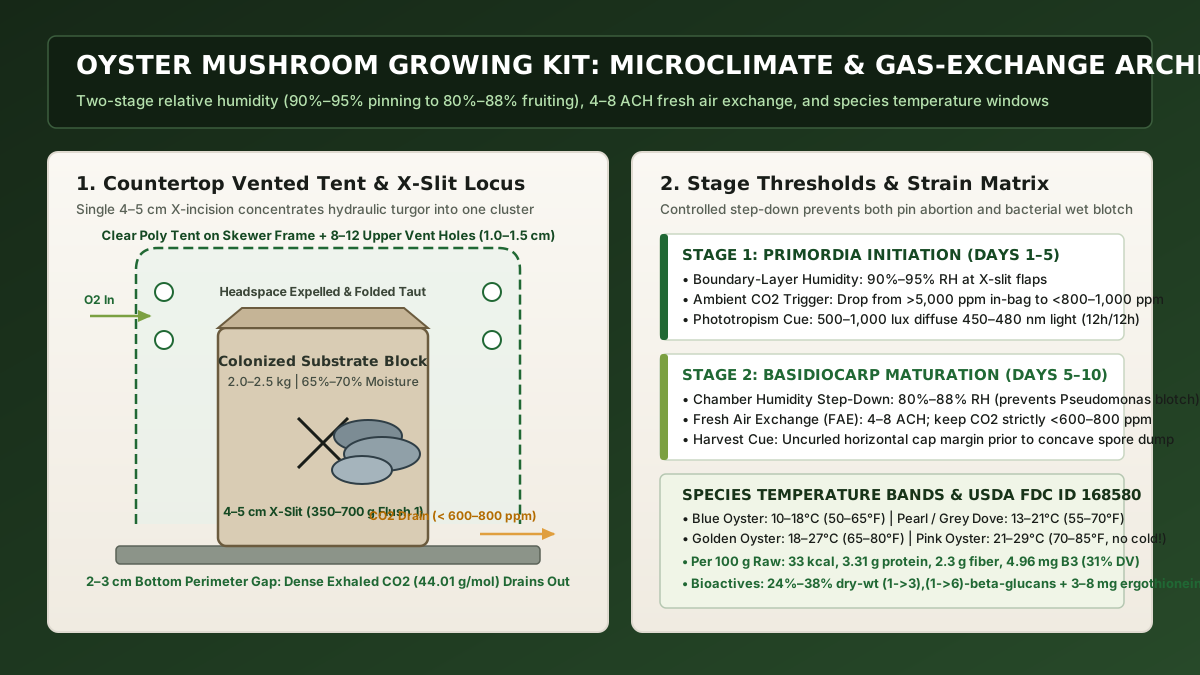
Set up an oyster mushroom growing kit with a 4–5 cm X-slit, two-stage humidity (90%–95% pinning to 80%–88% fruiting), 4–8 ACH fresh air exchange, and USDA nutritional data.
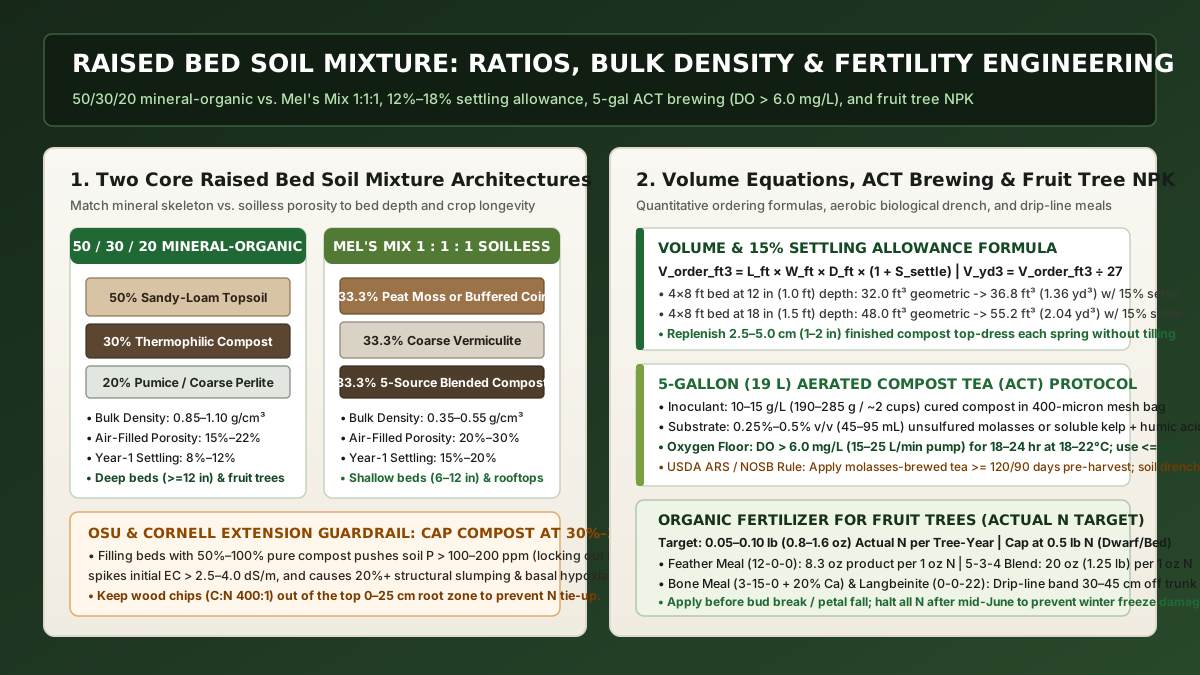
Build a raised bed soil mixture with 50/30/20 mineral-organic or 1:1:1 Mel's Mix ratios, calculate cubic yards with 15% settling, brew 5-gal compost tea, and dose fruit tree NPK.
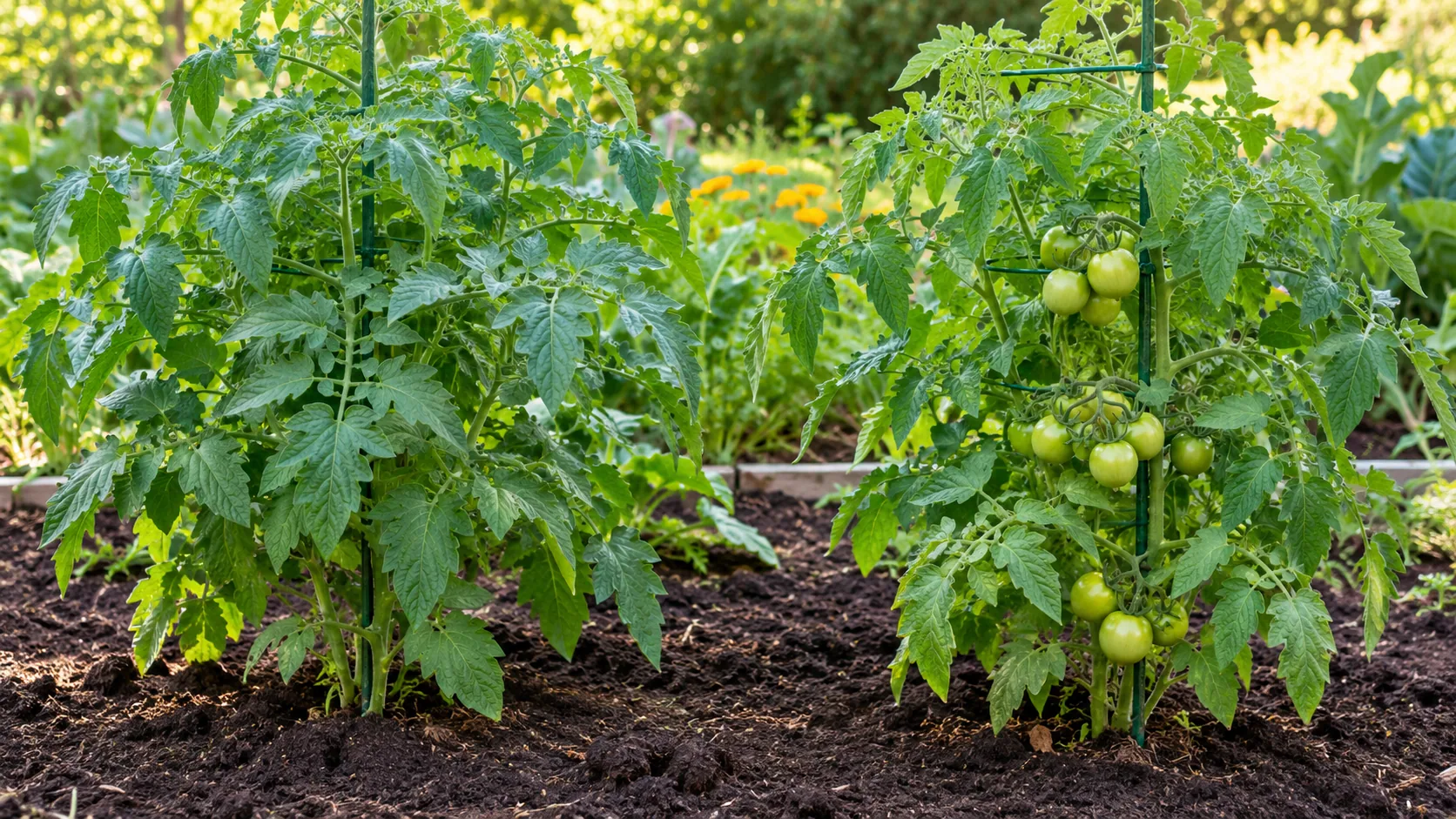
Too much nitrogen keeps tomato plants leafy and slow to fruit. Minnesota Extension names the late-season risk, and a Cornell high-tunnel sheet separates vegetative and fruiting foliar nitrogen.
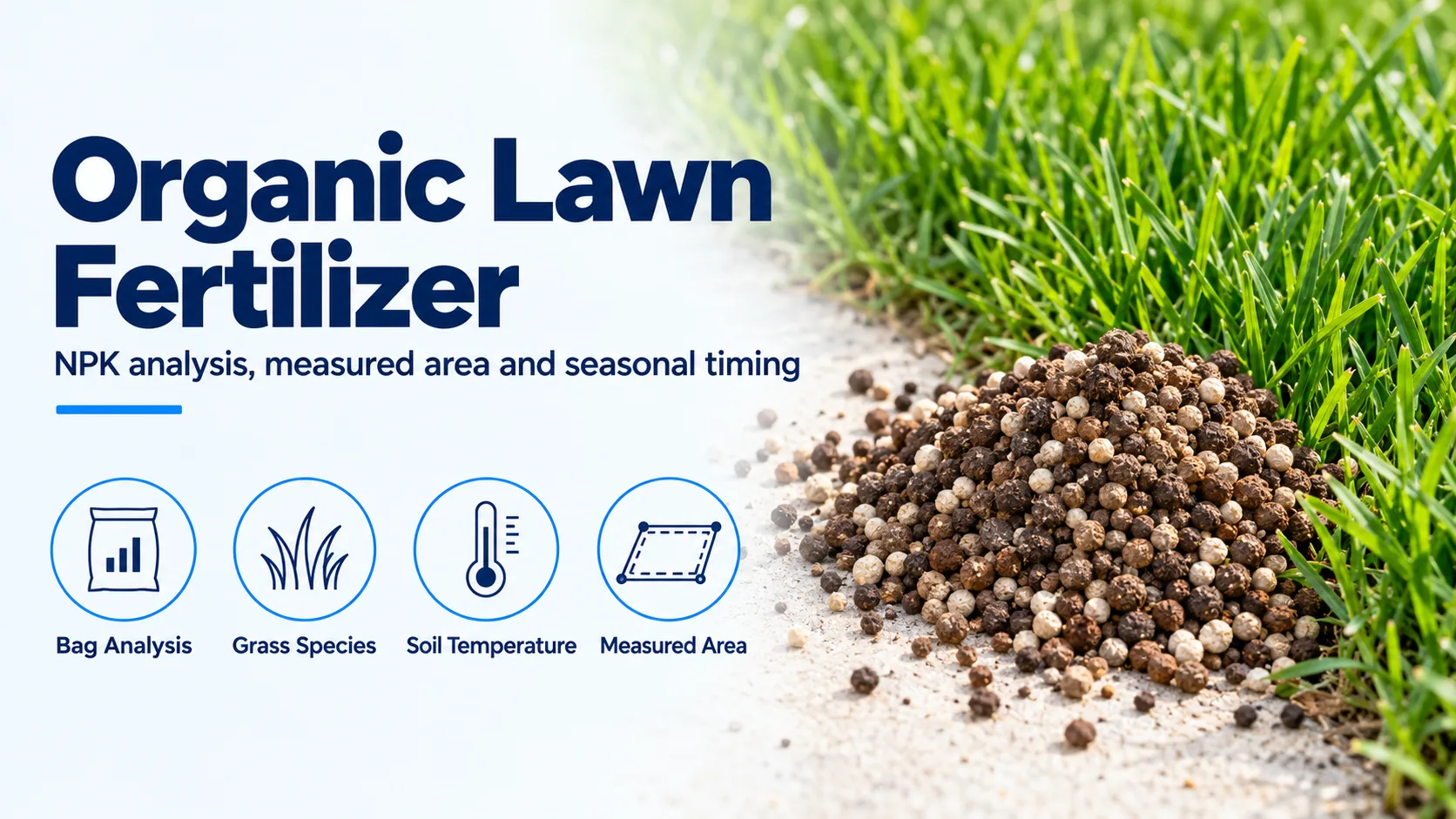
Choose lawn organic fertilizer by bag analysis, grass species and growing season. Work a measured-area application and avoid feeding dormant warm-season turf.

Measure worm castings for seedling mixes and garden planting, calculate a batch by volume, and separate soil amendment rates from a crop's fertilizer needs.
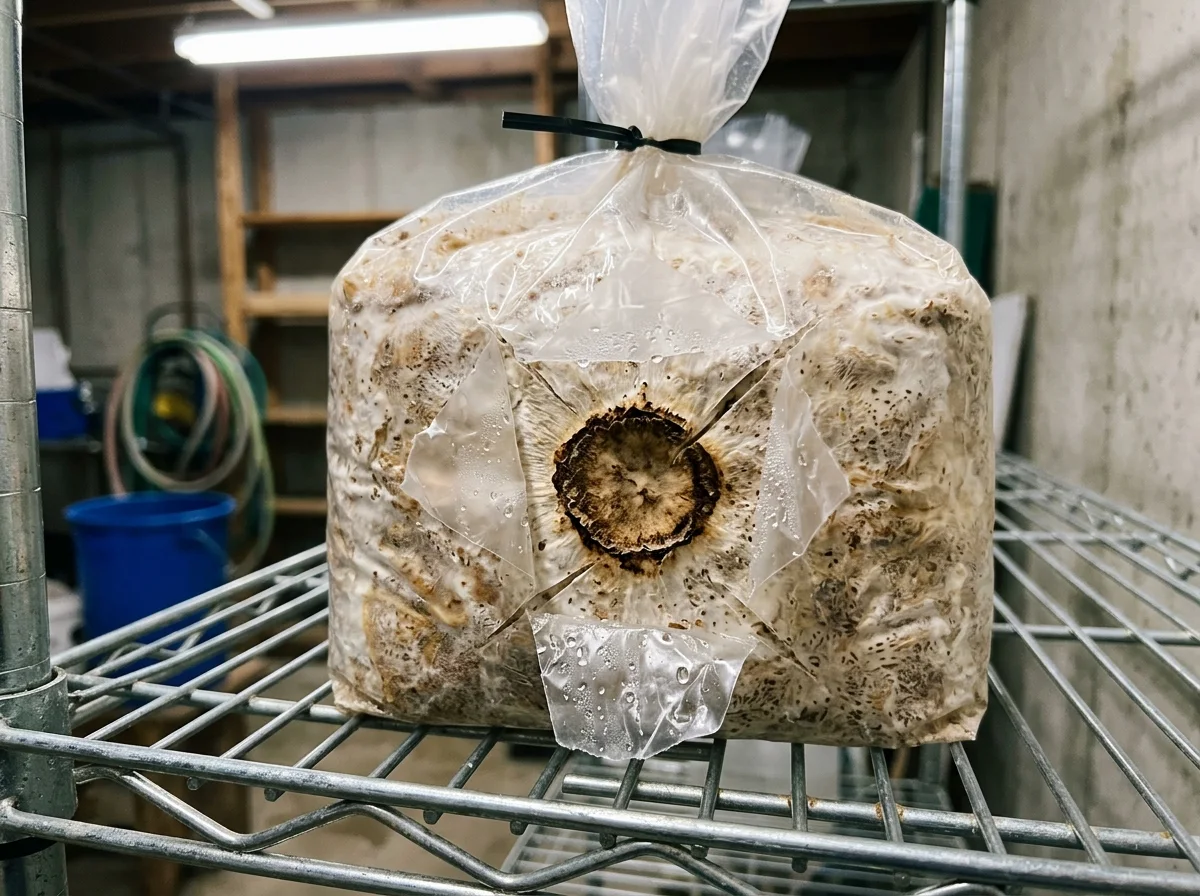
Compare oyster mushroom kit second-flush instructions from four suppliers, check species limits before soaking or cold-shocking, and log your block's recovery.
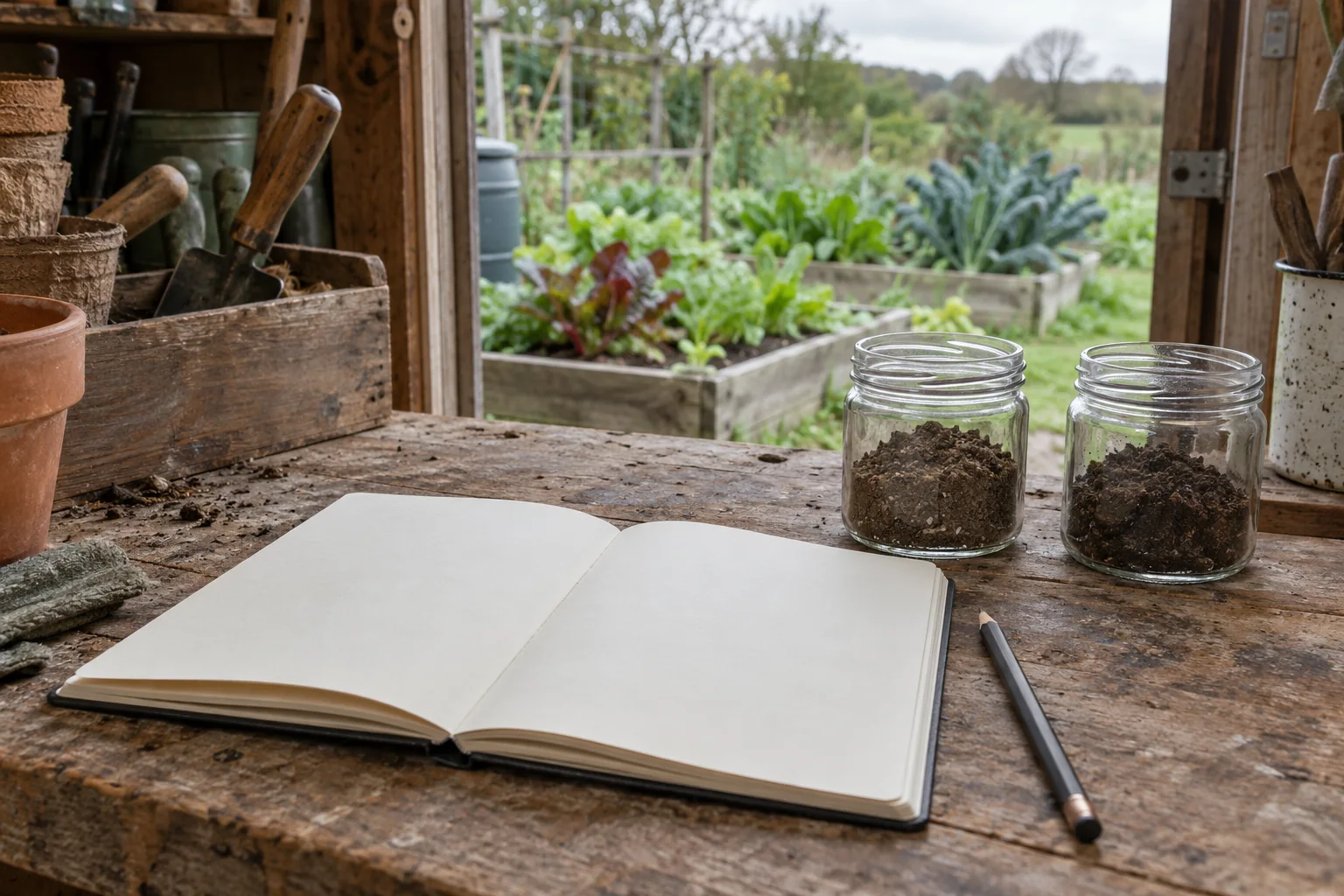
Read your garden soil report, keep lab methods and units together, and use a blank worksheet to scale nutrient recommendations to your bed and fertilizer label.
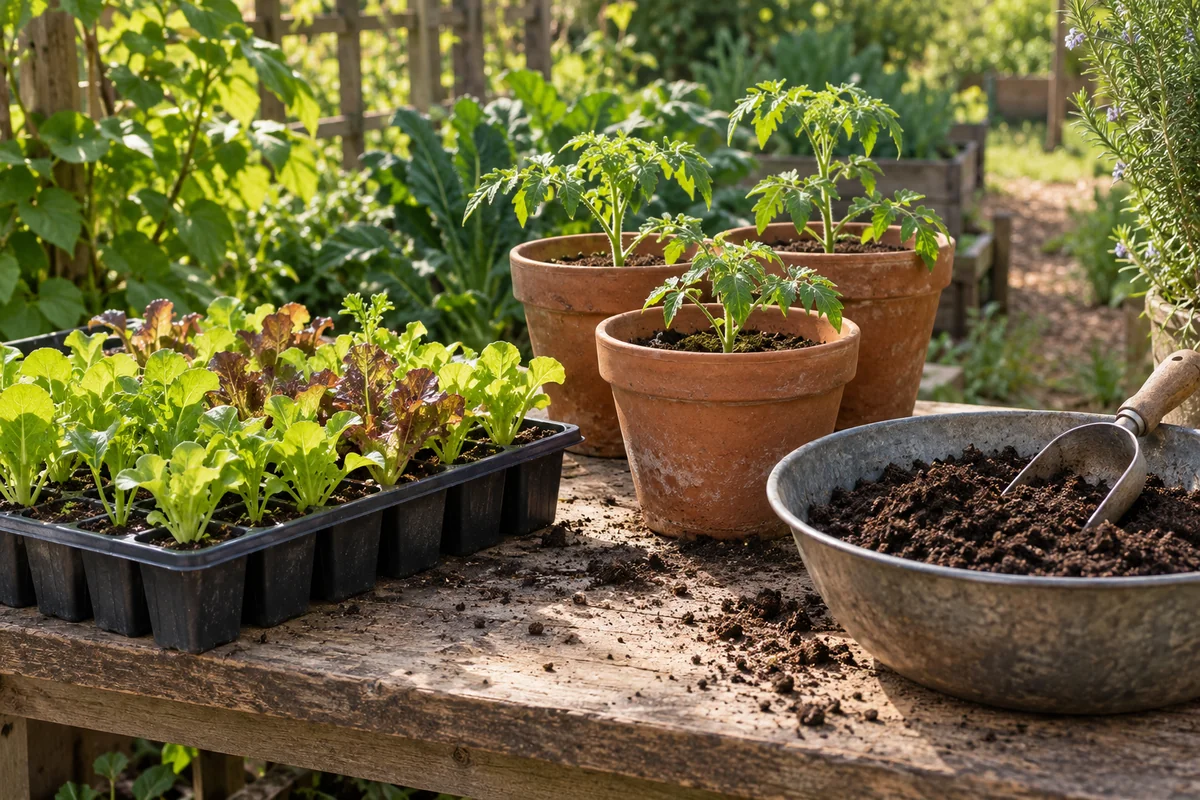
Choose a soil test, separate garden beds, and record your lab's sampling depth, quantity and packaging rules with a blank checklist before collecting soil.
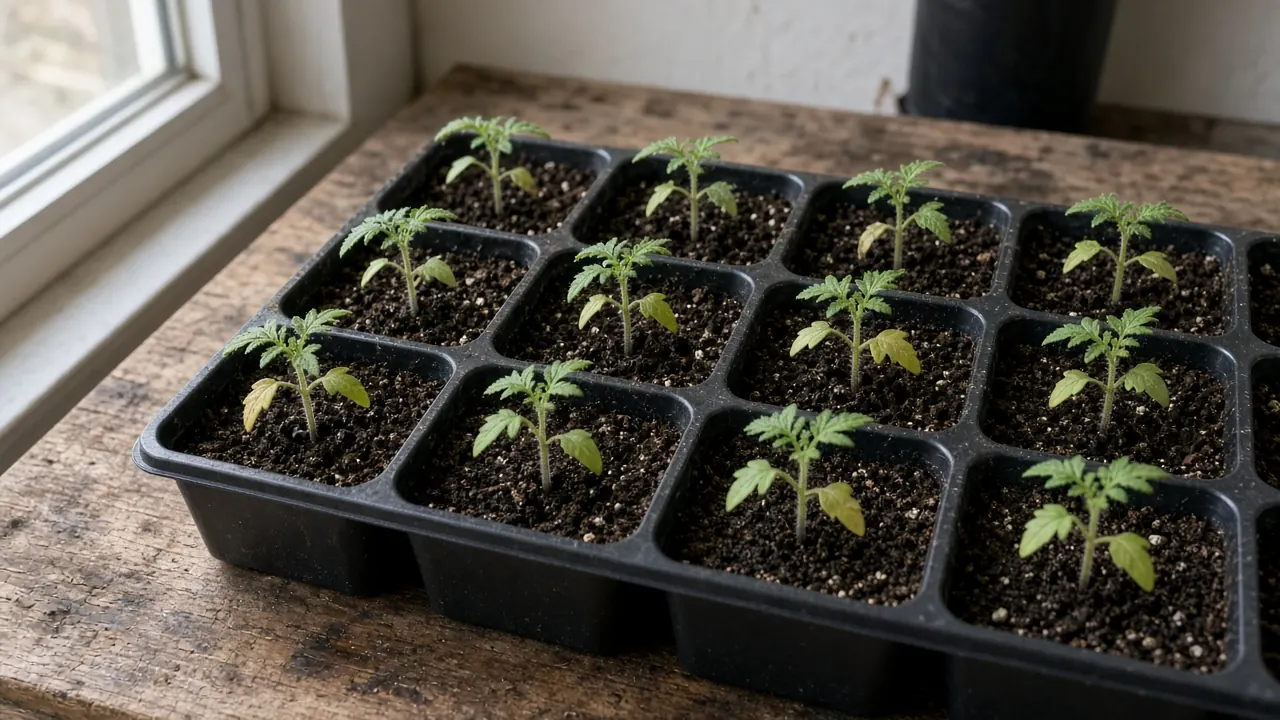
Record which tomato seedling leaves yellowed, how wet the mix is, the light, and the bag's fertilizer line before you add any.
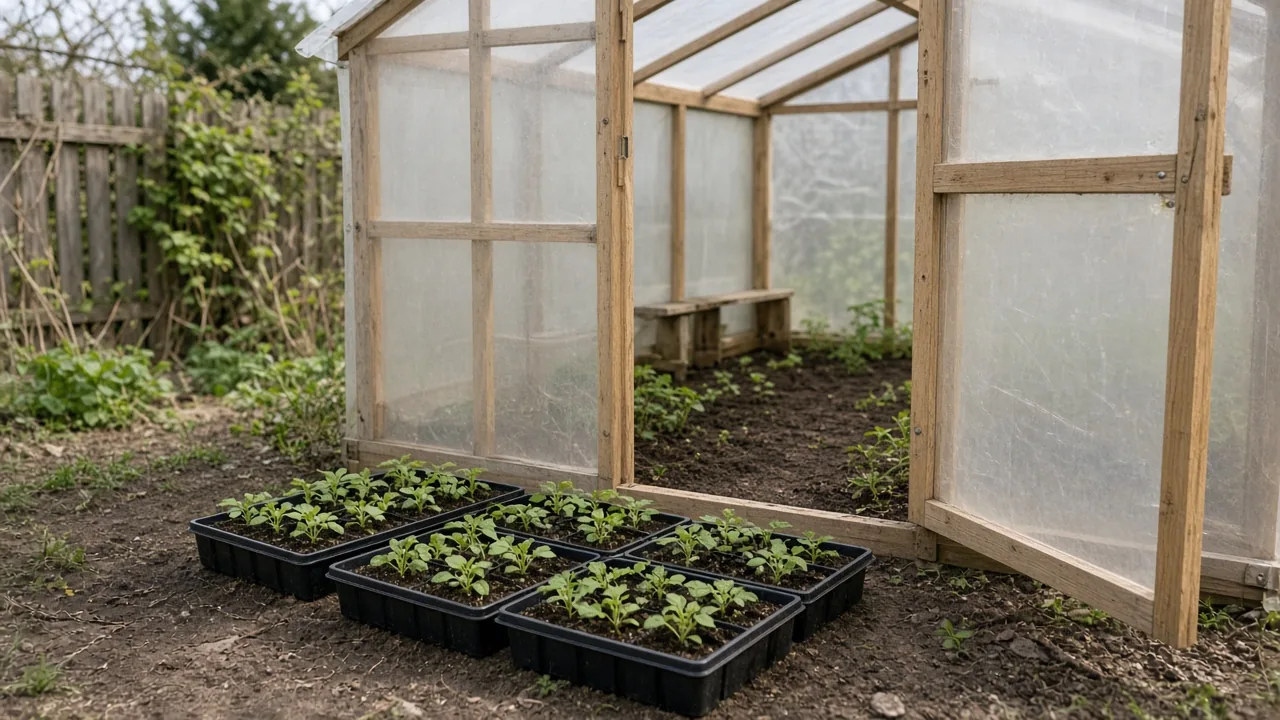
Record the sun, wind, and night temperature greenhouse seedlings already had, then use a blank log to advance, pause, or return them to cover.
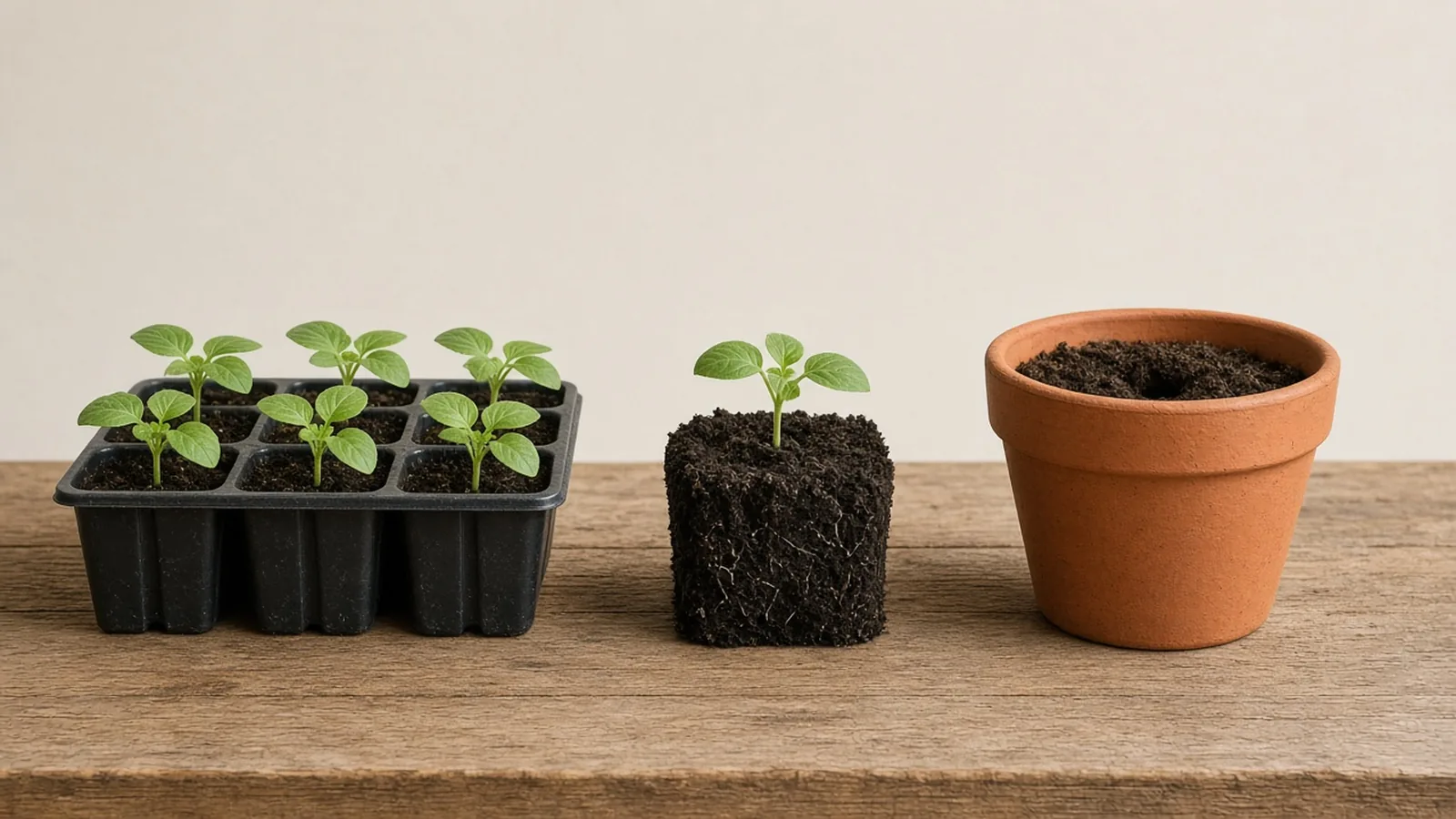
Push a whole cell plug up from the bottom, or tease woven roots apart in an open flat, then pot crowded indoor seedlings at the same depth.
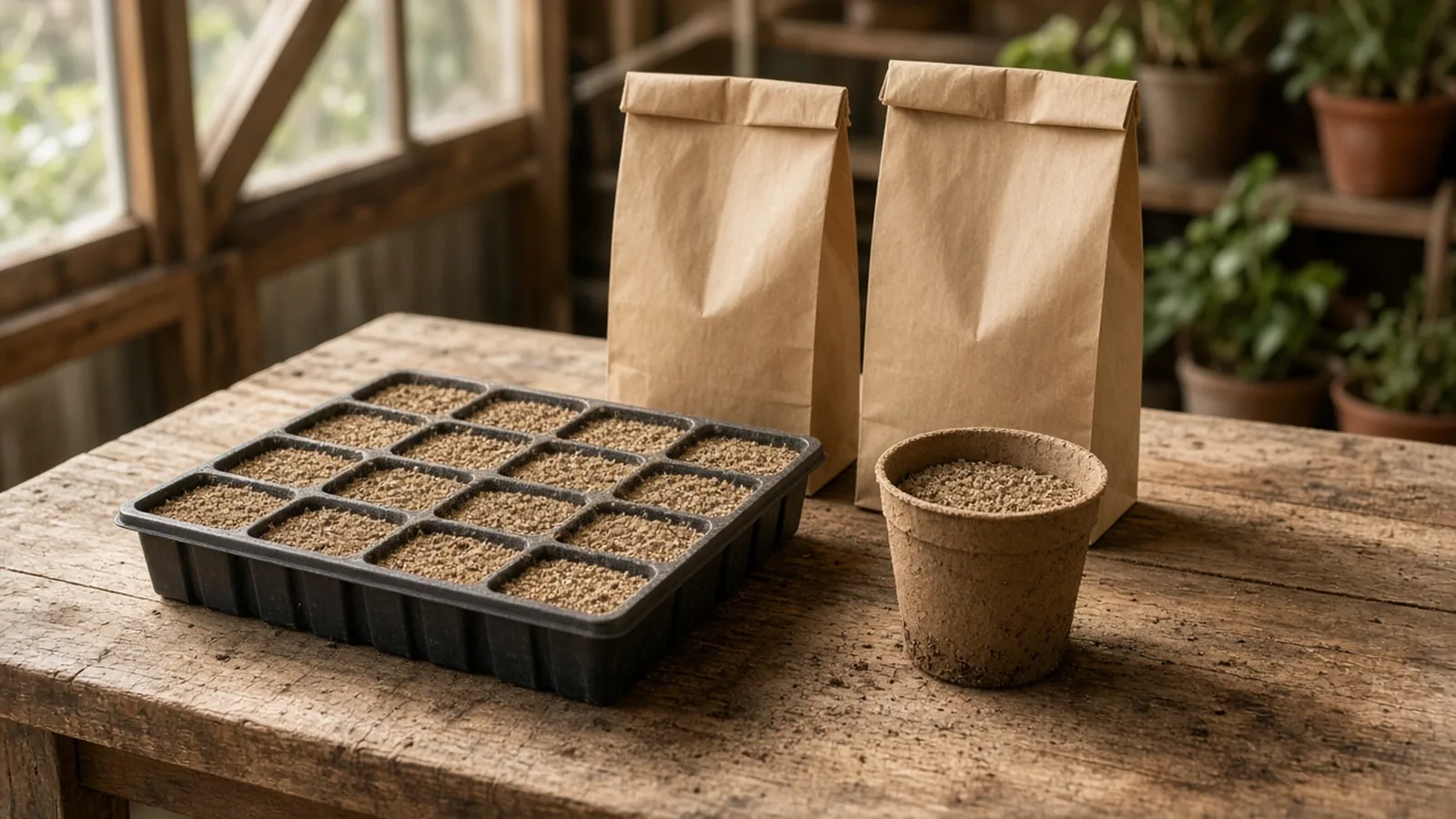
Copy four fields from the bag before you sow or pot up: the printed claim, texture, drainage, and any fertilizer line.
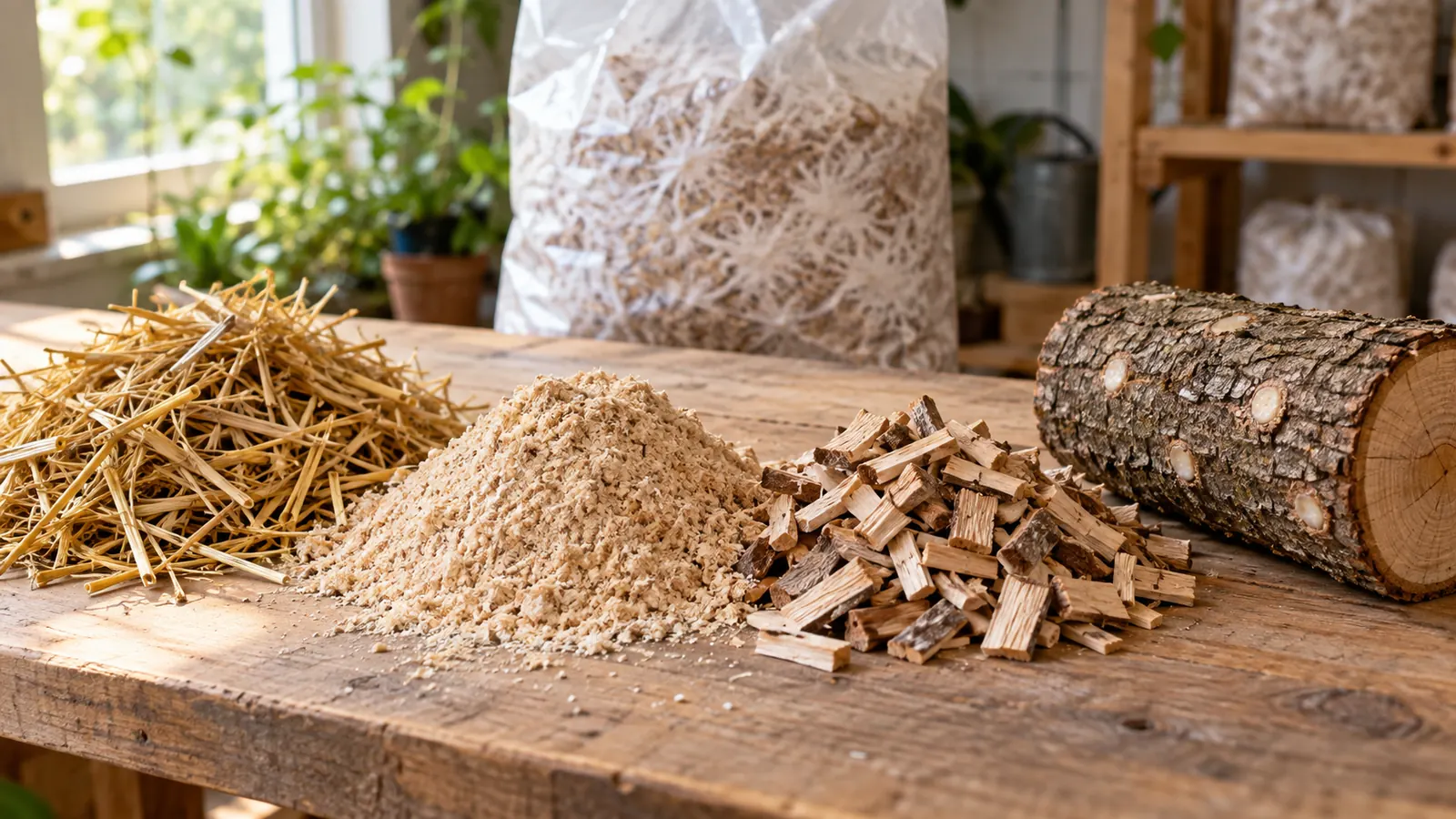
What mushroom substrate is, which materials suit oyster, shiitake, lion's mane, wine cap and button mushrooms, how to treat them and how long colonization takes.
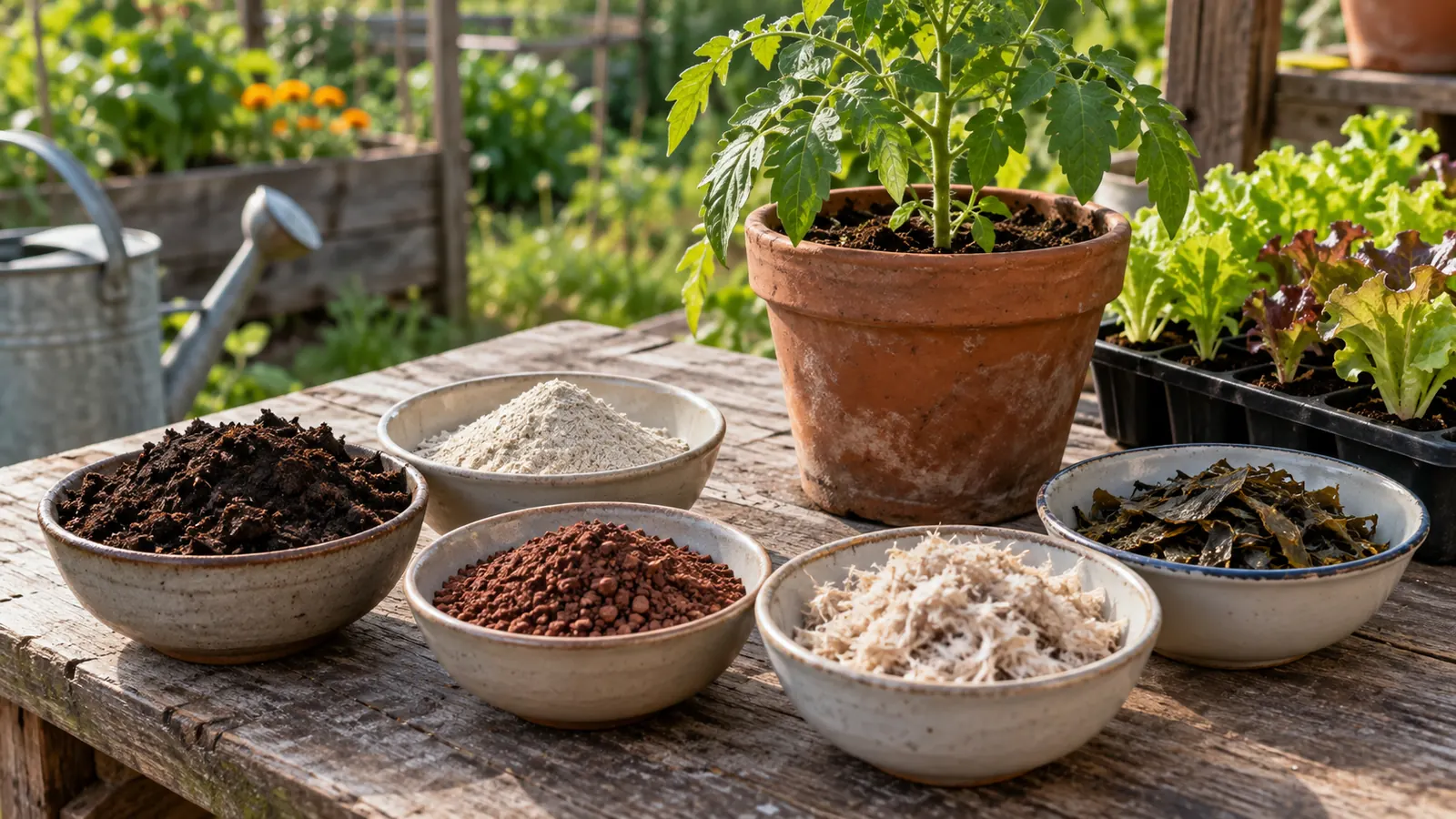
Match organic fertilizers to vegetables, tomatoes, lawns and fruit trees: read the N-P-K label, compare release speeds and work out how much to apply from a soil test.
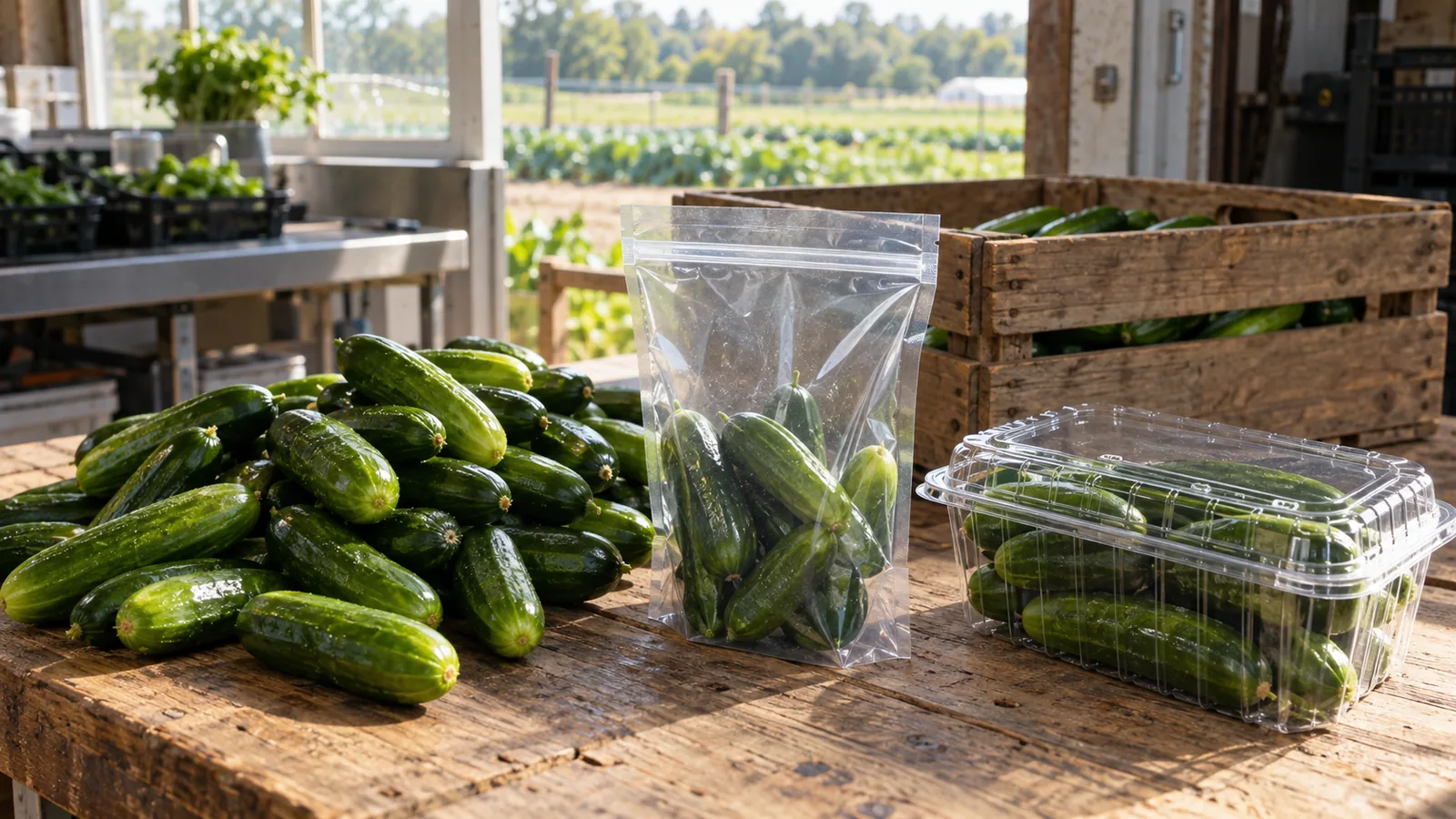
StePacPPC's new Xgo PAZ cucumber pouch set against laminated, perforated, top-seal and clamshell packs: what was announced, how to read the test figures and what to ask.
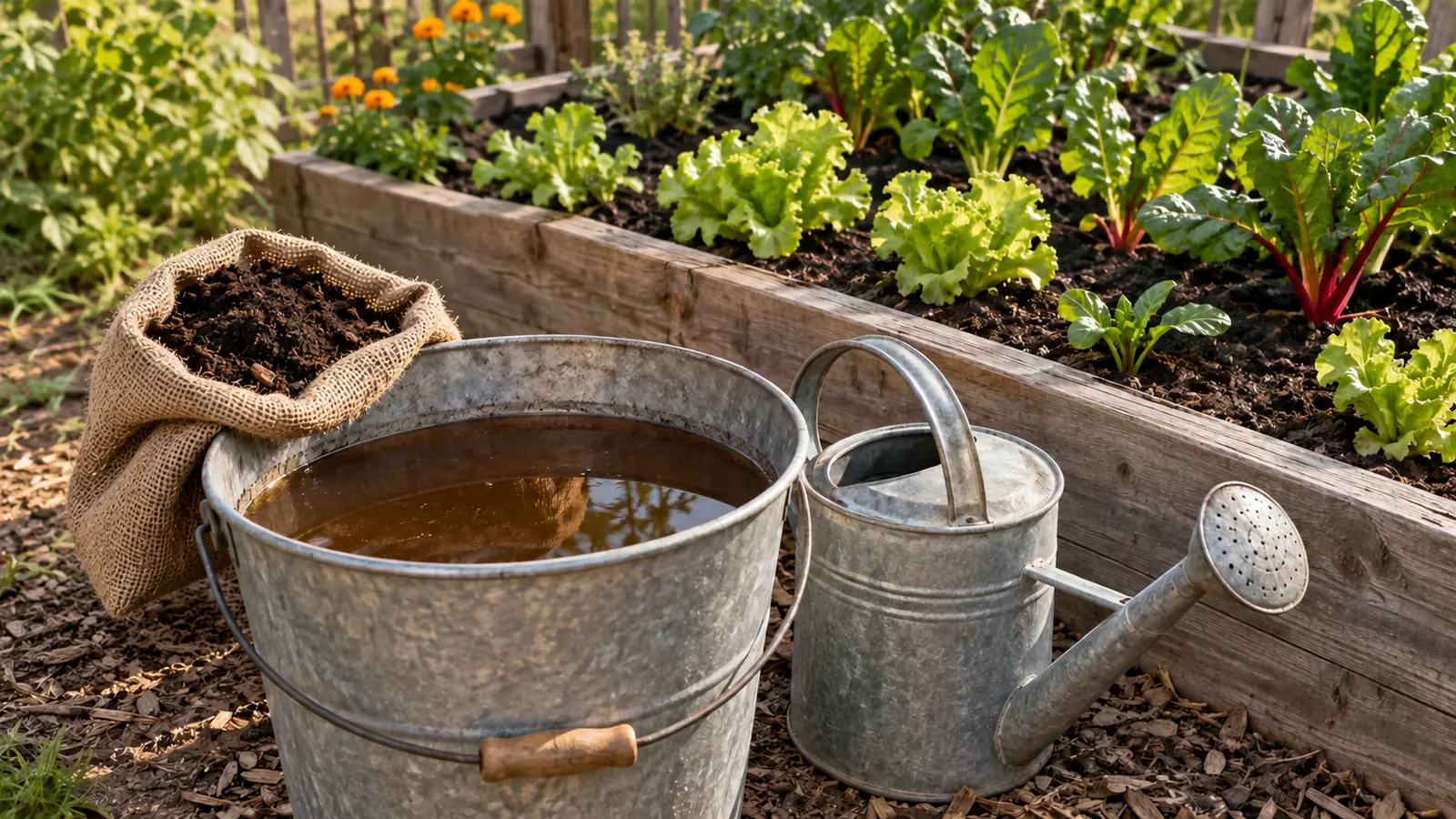
Compost tea explained: how it differs from compost, worm tea and leachate, what research says it does, whether it counts as fertilizer and the risks USDA flags.