Direct sun and strong wind can damage greenhouse seedlings that spend a first day in an open bed. Record the sun, wind, and night temperature they already had, then choose advance, pause, or a return to cover. The blank log below is that record.
You harden off seedlings from a greenhouse by writing one row after each outdoor window and choosing the next step from that row. Advance means a longer or brighter window than the one you just recorded. Pause means the same window again. Return to cover means the trays go back into the greenhouse or another indoor spot. Iowa State University Extension, last reviewed April 2024, starts purchased bedding plants in shade and brings them indoors for strong wind, a severe storm, or overnight frost. University of Illinois Extension on 6 April 2020 and Utah State University Extension on 18 February 2025 print longer example ramps, and those ramps do not match Iowa’s 7 to 10 days. Keep each ramp as that page’s example. The log decides the next window.
Known Source Farms is an independent information site. It does not sell seedlings or covers, and it is not the Texas farm that previously used this domain. Seedlings still crowded in an indoor tray need the tray-to-pot move before this outdoor log. Other home-growing notes are on the article list.
Fill one row after each outdoor window
Copy the table. Leave every cell blank until you have watched that window. One row is one crop on one date. The last cell takes one of three words: advance, pause, or return.
| Crop | Prior greenhouse conditions | Exposure window | Forecast | Root-zone moisture | New growth | Advance, pause, or return |
|---|---|---|---|---|---|---|
What do you write in each column?
Write the crop, and whether you are treating it as warm-season or cool-season. University of Illinois Extension names broccoli, cabbage, cauliflower, and lettuce as cool-season crops that handle cooler weather, and tomatoes, peppers, zucchini, and cucumber as warm-season crops for which hardening matters most. Utah State University Extension names tomatoes, peppers, squash, and melons as warm-season plants that should not meet a freeze or temperatures below 45°F to 50°F.
Prior greenhouse conditions are the protected setup you are leaving. Write the night temperature you actually kept, whether a fan moved the air, and whether the glazing blocked wind and direct sun. In the same 18 February 2025 fact sheet, Utah State says most vegetables prefer indoor nights of 60°F to 65°F, with days about 10°F warmer, and that cool-season crops prefer nights around 55°F and days around 65°F. Those figures describe a protected start on that fact sheet. They are not the outdoor night forecast. Write the night temperature you actually kept.
The exposure window is the outdoor stretch you already gave them: the hours, and whether that time was shade or direct sun. Iowa State says to place plants in a shady, protected site first, then give them longer periods of direct sun. Utah State says the first outdoor time can be a few hours in the shade, with more sun later, until the plants tolerate full sun all day. Check the trays once or twice during the window if you can. Iowa State asks for that check.
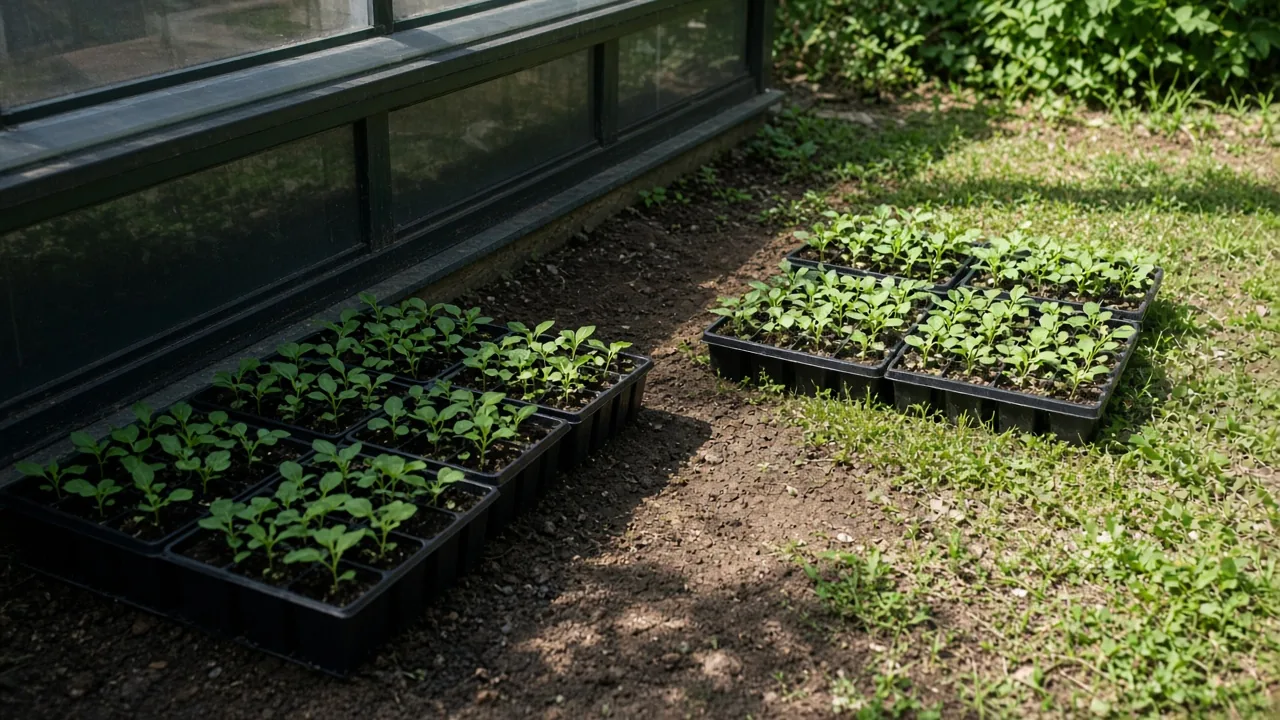
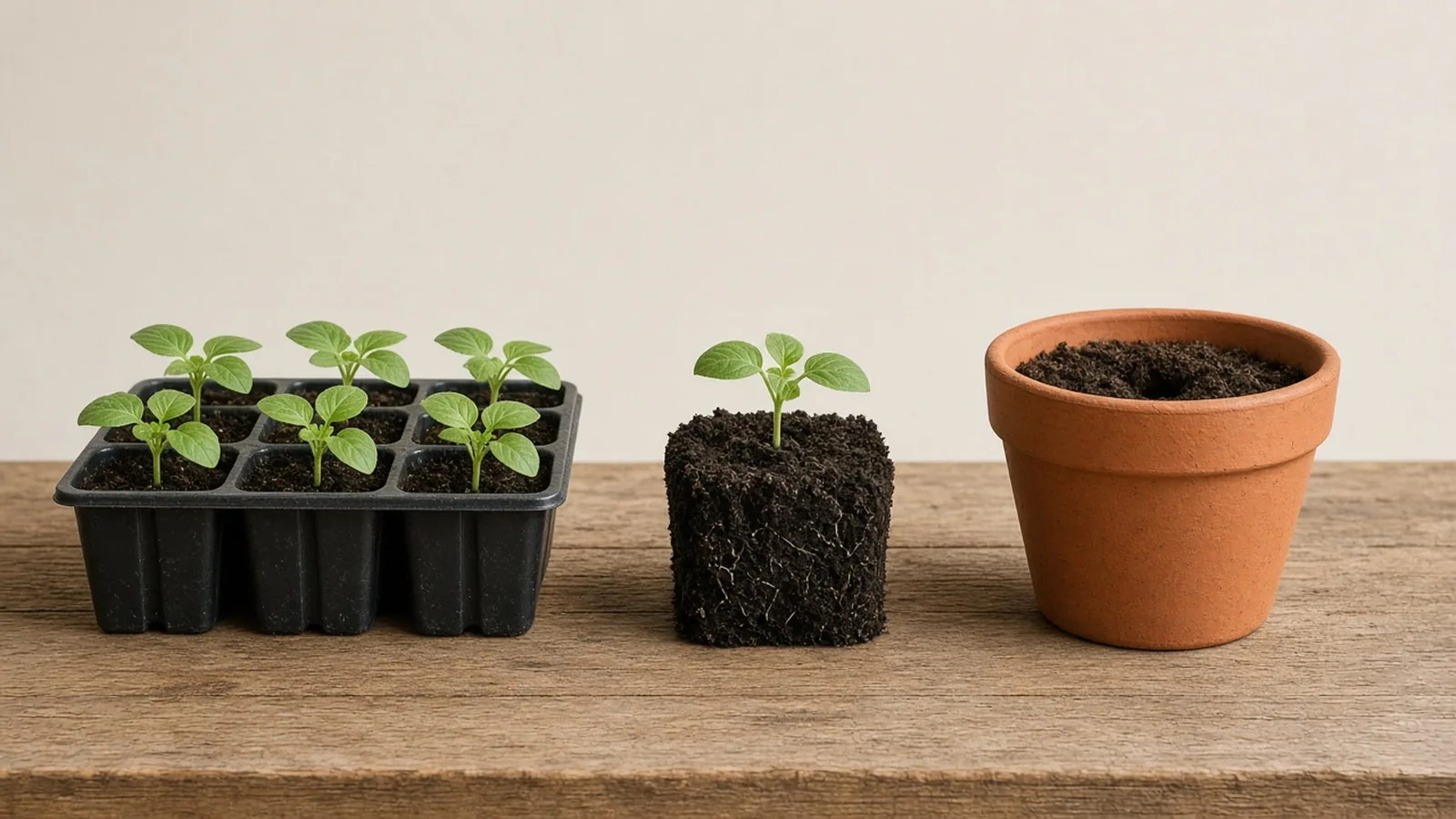
Figure 1. Example of a first placement: trays in the shade beside the greenhouse, and a second group farther into open sun. The hours are whatever you write on the row. The photograph is not a schedule.
The forecast cell needs the next wind, any storm, and the night low, with the unit. “Gusts this afternoon, low 48°F” is a filled cell. “Nice” is not.
Root-zone moisture is what the mix did during that window. Iowa State says to water thoroughly when the soil surface is dry to the touch. Illinois Extension says to water less often during hardening than you did in the greenhouse, and not to let the plants wilt. If the surface is dry, or a plant is wilting, write that, then water. The longer window waits until they recover.
New growth is what the leaves did. Utah State says some leaves may yellow or turn dry and brown, and that this can be part of the process, because the aim is new leaves and shoots in bright, dry outdoor air. Illinois Extension says hardening slows the growth rate, thickens the cuticle and waxy layers, and builds lignin in the cell walls. A slower stretch with intact leaves stays on the log. Sunburned leaves, snapped stems, or plants blown flat are the damage Illinois describes when plants move outdoors too fast.
When do you advance, pause, or return seedlings to cover?
Read the row you just wrote. Put one word in the last cell, then do that thing on the next window.
| What the row shows | Last cell | Next window |
|---|---|---|
| Strong wind, a severe storm, or overnight frost in the forecast, or already on the plants | Return | Move the trays indoors. Iowa State, last reviewed April 2024, names those three triggers. |
| Tomatoes, peppers, squash, or melons, and the night low is below the 45°F to 50°F range Utah State prints, or a freeze is forecast | Return | Utah State (18 February 2025) says not to expose those warm-season plants to freezing or to temperatures below 45°F to 50°F. A low under 50°F is inside that caution. The source printed a range, not one degree. |
| Broccoli, cabbage, cauliflower, lettuce, or another hardy or semi-hardy crop, and the night low is below 40°F | Return | Utah State says too much time below 40°F can bring premature flowering on hardy and semi-hardy seedlings. |
| The mix surface is dry to the touch, or a plant is wilting | Pause | Water first. Repeat the same hours and the same shade or sun after they recover. Iowa State covers the dry surface. Illinois Extension covers the wilt. |
| No sunburn, no snapped stems, no lodging, plants not wilting, and the forecast clears the rows above | Advance | Give a longer outdoor stretch, or move from shade toward more direct sun. Check again once or twice that day. |
| Leaves intact, growth only slower, and you have not yet watched a full window at this sun level | Pause | Repeat the same window. Illinois Extension treats a slower growth rate as part of hardening. |
Illinois Extension also says fertilizer is not recommended before or during hardening. Leave fertilizer off this log.
How do sun, wind, and night temperature change the next row?
Sun is the first thing the exposure cell has to name. Write “shade” on the first outdoor window unless an earlier row already shows a shade window the plants handled. Iowa State and Utah State both start out of direct sun. An advance from shade is more direct sun, or more hours. If the leaves look scorched, the last cell is return, and the next outdoor window repeats the last shade stretch they handled.
Wind is what the plants stood in: sheltered, breezy, or strong enough to bend them. Iowa State says the intense sun and strong winds outdoors can damage or kill tender seedlings planted straight from a greenhouse or garden center. If the forecast says strong wind, write return, even when the sun cell looks fine.
Night temperature is the forecast low in °F. Compare it with the crop row in the table. A 48°F night is a return for tomatoes, peppers, squash, and melons under the Utah State range above. It is not, by that 40°F line, a return for cabbage. Overnight frost is still a return for the trays in this log, because Iowa State tells you to move bedding plants indoors when frost threatens.
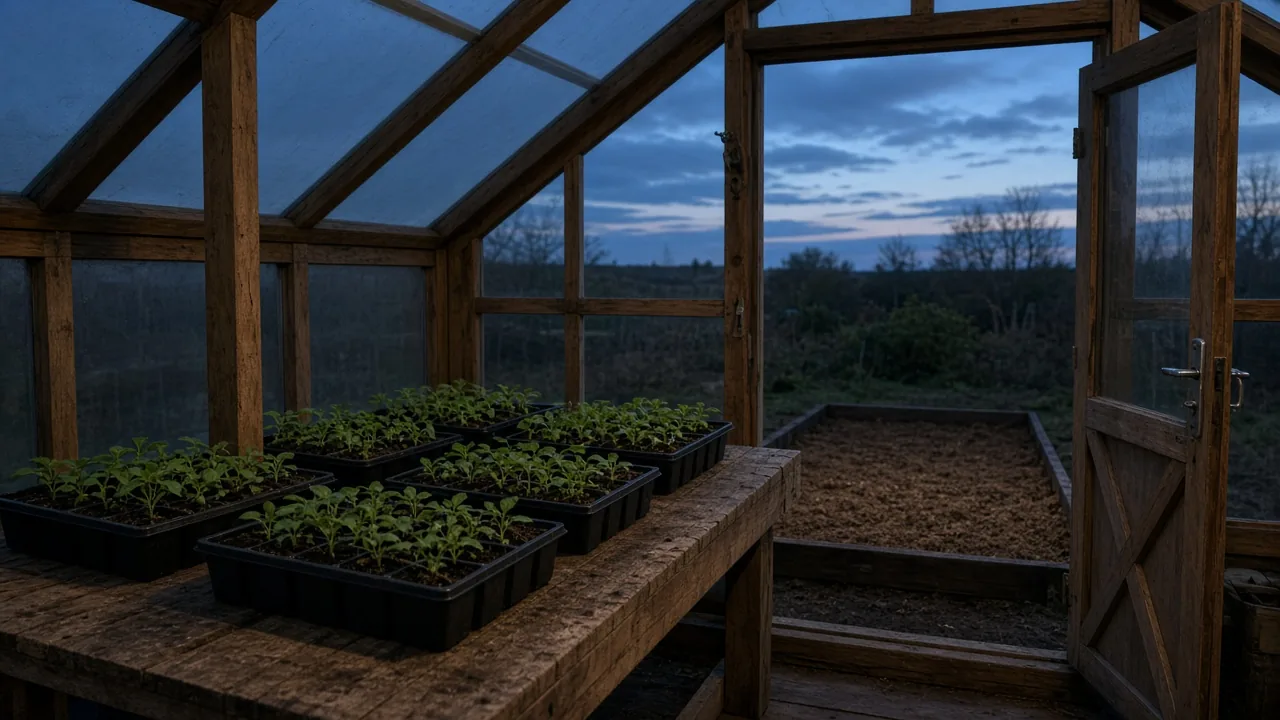
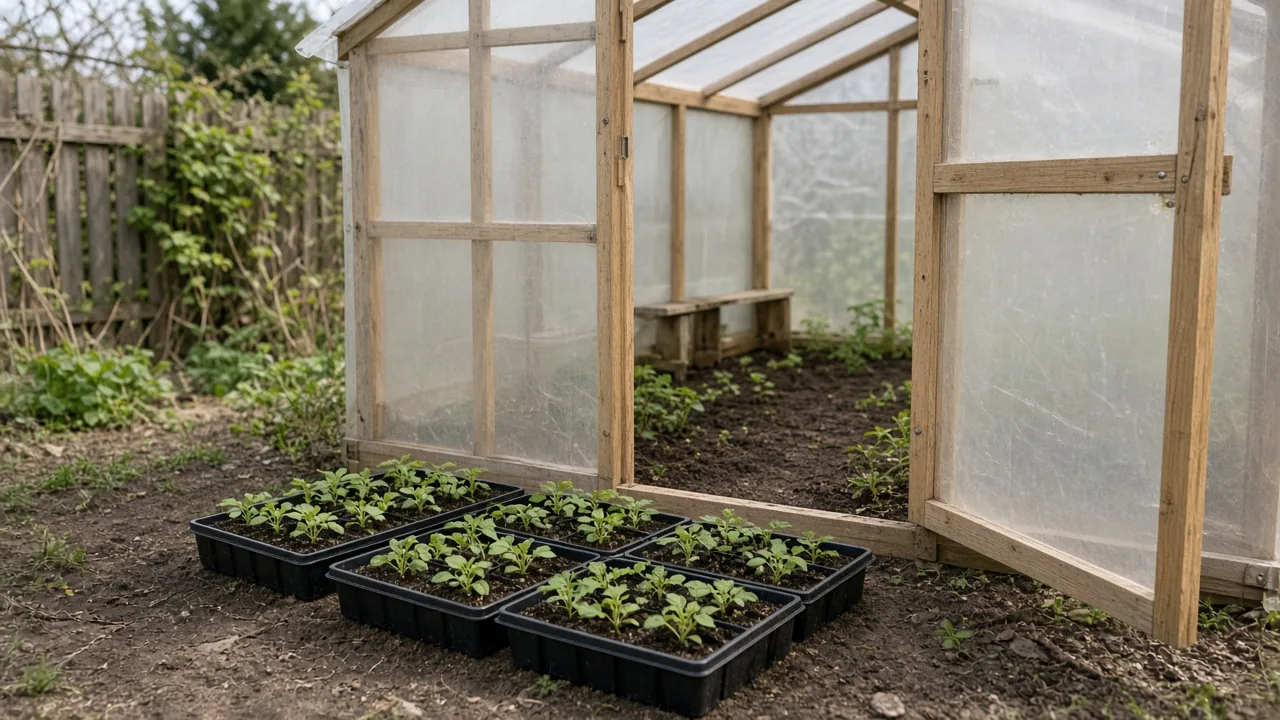
Figure 2. Example of a return: the trays are back on the greenhouse bench at dusk, and the outdoor bed is empty. Use that move for strong wind, a severe storm, overnight frost, or a night below the crop line in the table.
Iowa State’s planting calendar stays in Iowa. The same page says cabbage, broccoli, and cauliflower seedlings can go outdoors in early April in southern Iowa, and mid-to-late April in northern Iowa counties, and that tomatoes, peppers, cucumbers, and melons wait until the area’s average last frost. Those dates were on the page last reviewed in April 2024. Write your own forecast low in the cell. The Iowa month does not fill it.
What do moisture and new growth change?
Moisture decides whether you may lengthen the window. A dry surface gets water first. A wilted plant gets water and a pause. Illinois Extension’s lower watering frequency still stops before wilt. If you water in the middle of a window, that row stays on pause. The next row can advance only after the plants have recovered and you have watched the same window again.
New growth is the outdoor change Utah State describes: new leaves or shoots under bright, dry air. Yellow or dry brown older leaves can show up during that process, and the fact sheet calls that normal. Scorch, a snapped stem, or a plant blown over is a different observation. Those send the row to return.
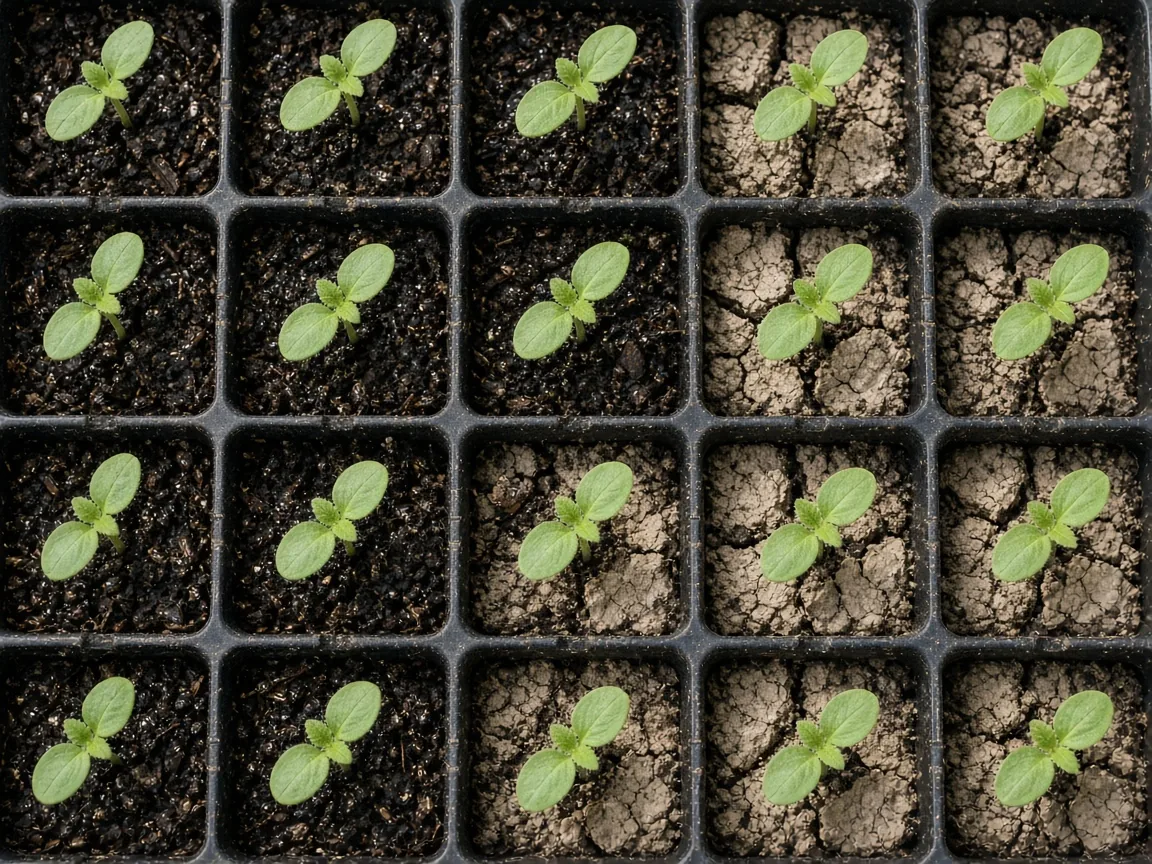
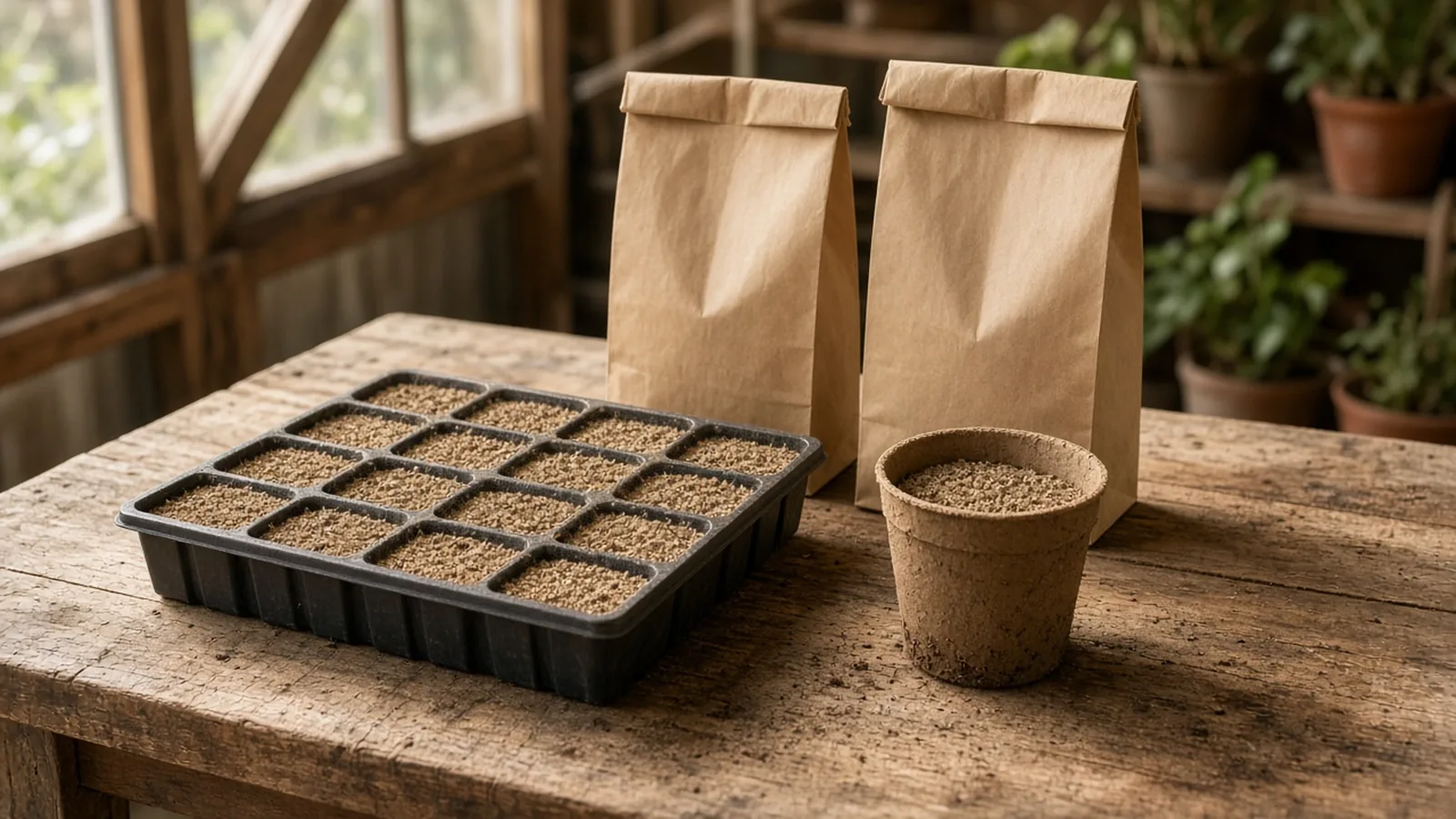
Figure 3. Example of the moisture check: dark, damp mix beside pale, dry mix. Feel the surface of the cells you are hardening. Iowa State says to water when that surface is dry to the touch.
Why is there no single day count?
The three pages print different clocks. Each clock belongs to that page.
Iowa State University Extension, last reviewed April 2024, says in the opening to harden bedding plants for a few days. The hardening section then says that after 7 to 10 days of that shade-then-sun routine, the bedding plants should be ready for planting. Both lines are on the same page.
University of Illinois Extension, published 6 April 2020, says to start about 2 weeks before transplanting. Its example puts plants outside for about 2 to 3 hours in the warmer part of the day, typically noon to 5 p.m., then lengthens that time. After the plants have been outside 10 to 12 hours a day for a few days, the example leaves them out for 24 hours for a couple of days.
Utah State University Extension, 18 February 2025, says hardening can begin soon after seedling emergence and should at least begin about two weeks before transplanting into the garden. The first outdoor exposure may be a few hours.
Those statements do not average to one finish date. A pause can run past 10 days when the forecast fails the table. An advance on day 7 does not mean the plants go into the bed because Iowa printed 7 to 10. This log records the next window. It does not certify a planting day, a survival rate, or a yield.
People also ask how to harden off seedlings quickly, and how to harden off seedlings started indoors. Illinois and Utah describe a gradual increase. A shorter window is the case those pages tie to sunburn and wind damage. Seedlings that were started indoors use this same sheet once they leave that protected room or greenhouse. The indoor pot-up stays on the earlier page.
When this log does not apply
Use the sheet while the seedlings are still in trays or pots you can carry. After they are planted in the bed, you cannot put the root ball back on the greenhouse bench. When you do make that final planting, Iowa State suggests the evening or a cloudy day, because that timing lessens transplant shock. That planting note is separate from the daily row.
Skip the sheet as a state-by-state planting calendar. Frost dates belong to your own area. The April cabbage window above is Iowa’s.
The sheet also stops short of a promise. A finished row does not mean the plants will live, and it does not name the day hardening ends.
Method and sources
Compiled on 13 October 2026 from local copies fetched on 11 October 2026. The copies are Iowa State University Extension’s bedding-plant page (Richard Jauron, last reviewed April 2024), University of Illinois Extension’s Good Growing post (published 6 April 2020; the saved page does not name an author), and Utah State University Extension’s peer-reviewed fact sheet (Wesley Crump, Taun Beddes, Michael Caron, and Milena Oliveira, 18 February 2025). Shade first, the wind and frost triggers, the dry-surface watering, the twice-a-day check, and the 7-to-10-day bedding-plant example are Iowa’s. The hour ramp, the wilt limit, the no-fertilizer line, and the cool-season versus warm-season split are Illinois’s. The 45°F to 50°F warm-season caution, the 40°F hardy-seedling caution, the shade-to-full-sun sequence, and the note on yellow or dry leaves are Utah’s. Indoor night temperatures on the Utah sheet describe the protected start. The photographs show a shade placement, a return to the greenhouse bench, and a moist-versus-dry mix. They are examples, not a trial.
This site does not sell seed, trays, or covers, and it is not the Texas farm that previously used this domain.