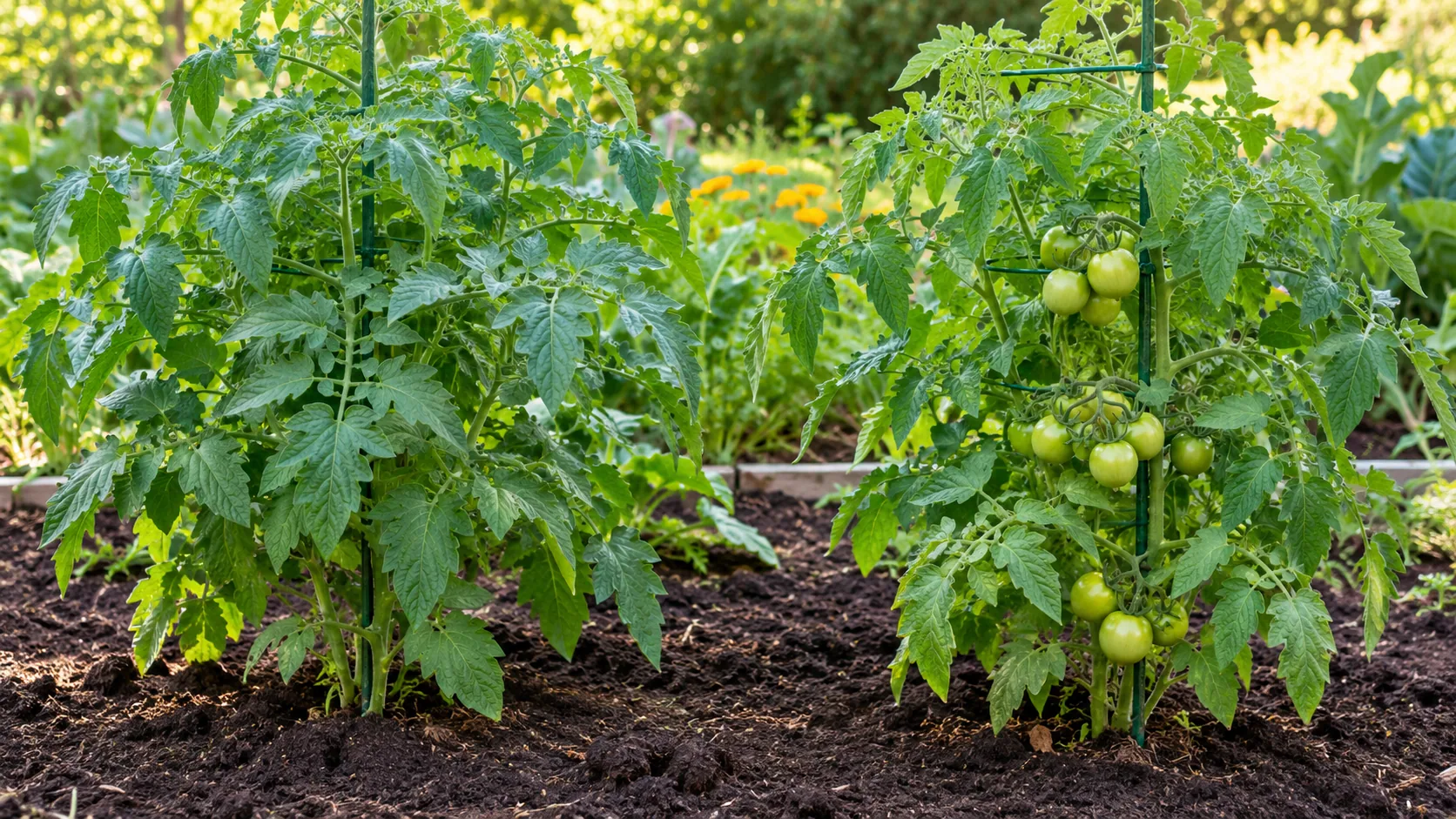
Organic Fertilizer for Tomatoes: Vegetative vs Fruiting
Too much nitrogen keeps tomato plants leafy and slow to fruit. Minnesota Extension names the late-season risk, and a Cornell high-tunnel sheet separates vegetative and fruiting foliar nitrogen.
Browse all published field guides, research notes, and small-farm articles tagged with #vegetable-gardening.
Too much nitrogen keeps tomato plants leafy and slow to fruit. Minnesota Extension names the late-season risk, and a Cornell high-tunnel sheet separates vegetative and fruiting foliar nitrogen.
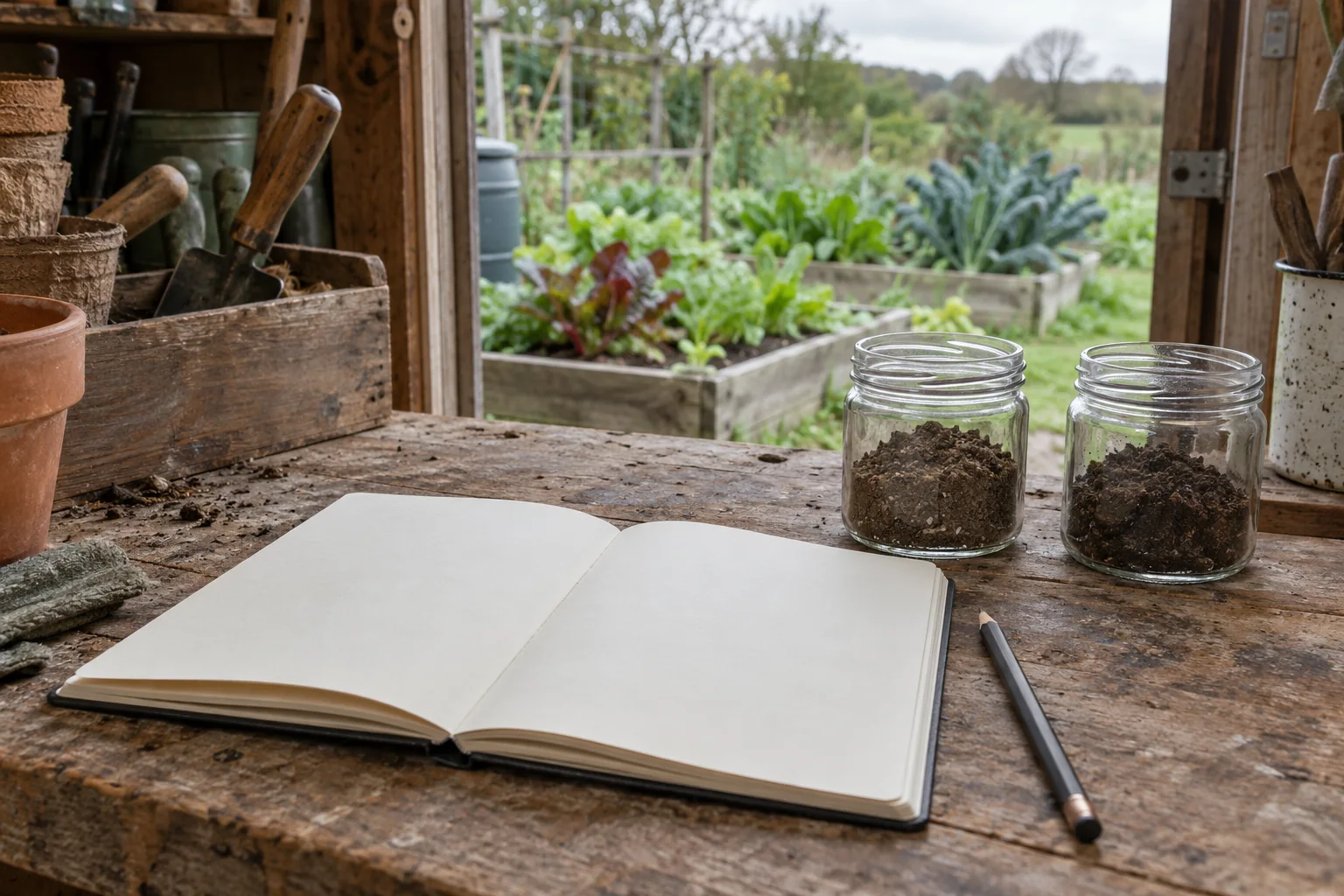
Read your garden soil report, keep lab methods and units together, and use a blank worksheet to scale nutrient recommendations to your bed and fertilizer label.
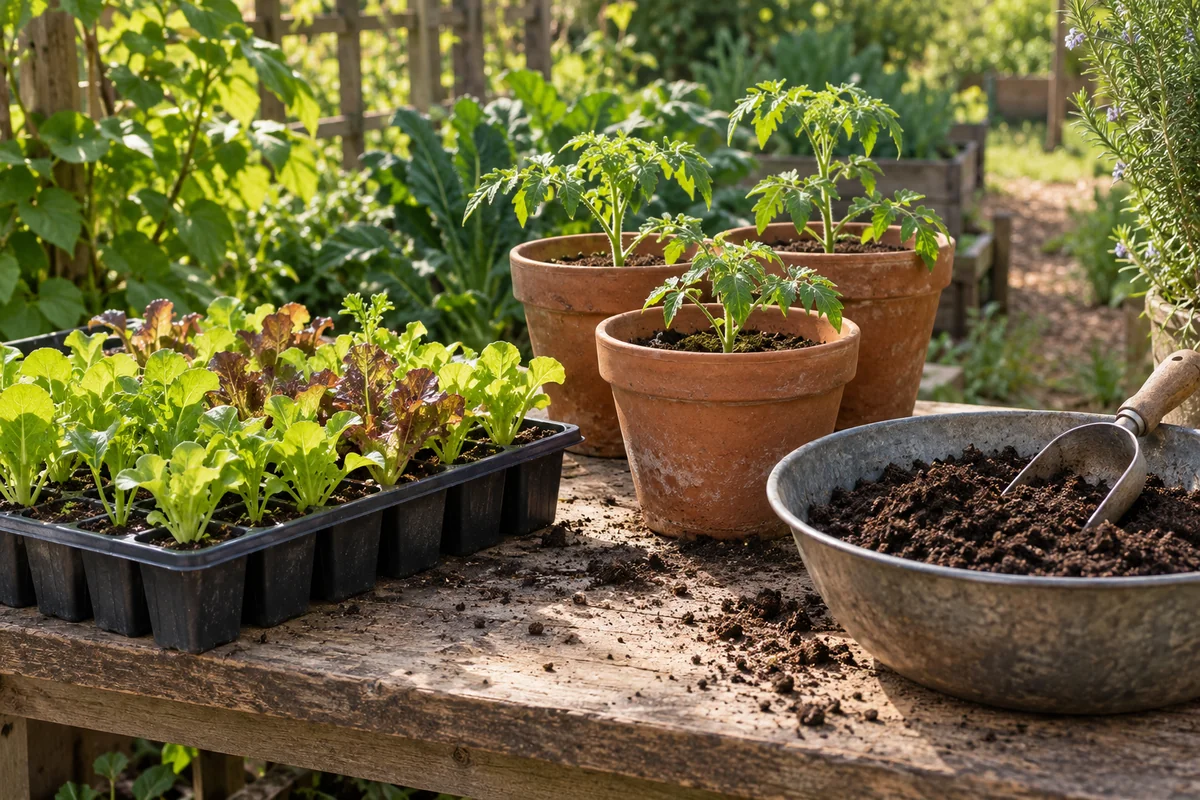
Choose a soil test, separate garden beds, and record your lab's sampling depth, quantity and packaging rules with a blank checklist before collecting soil.
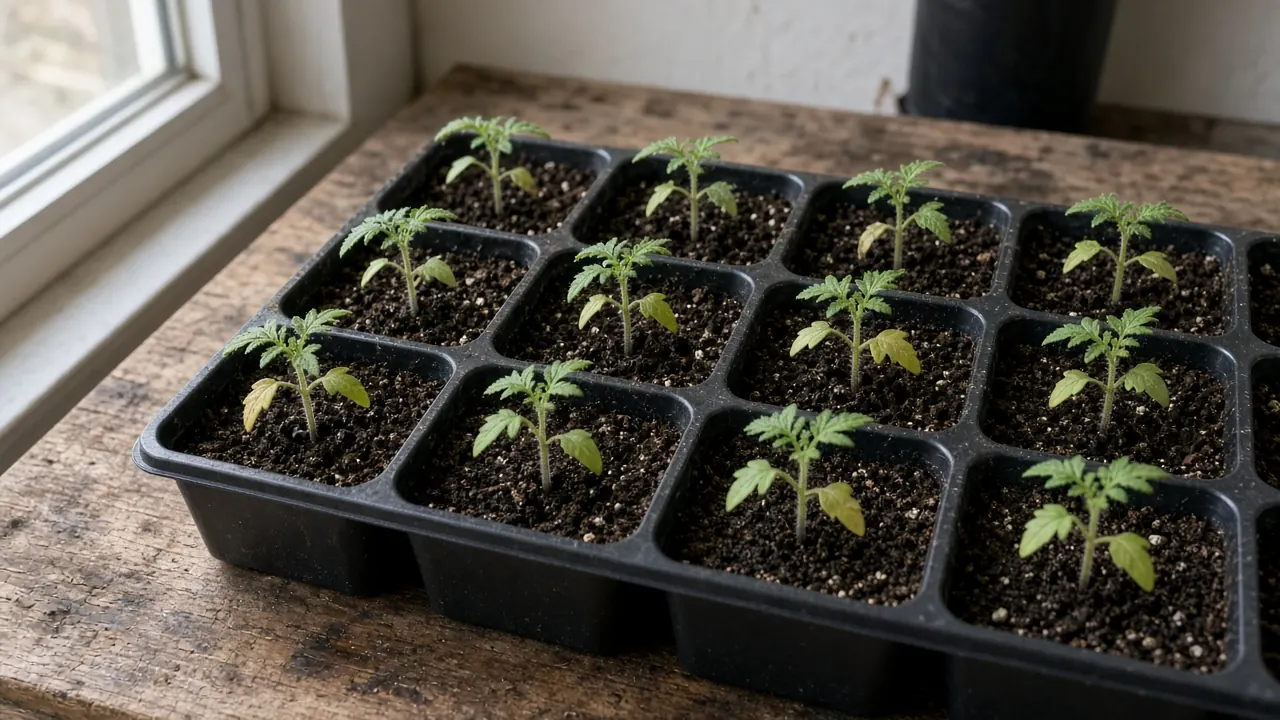
Record which tomato seedling leaves yellowed, how wet the mix is, the light, and the bag's fertilizer line before you add any.
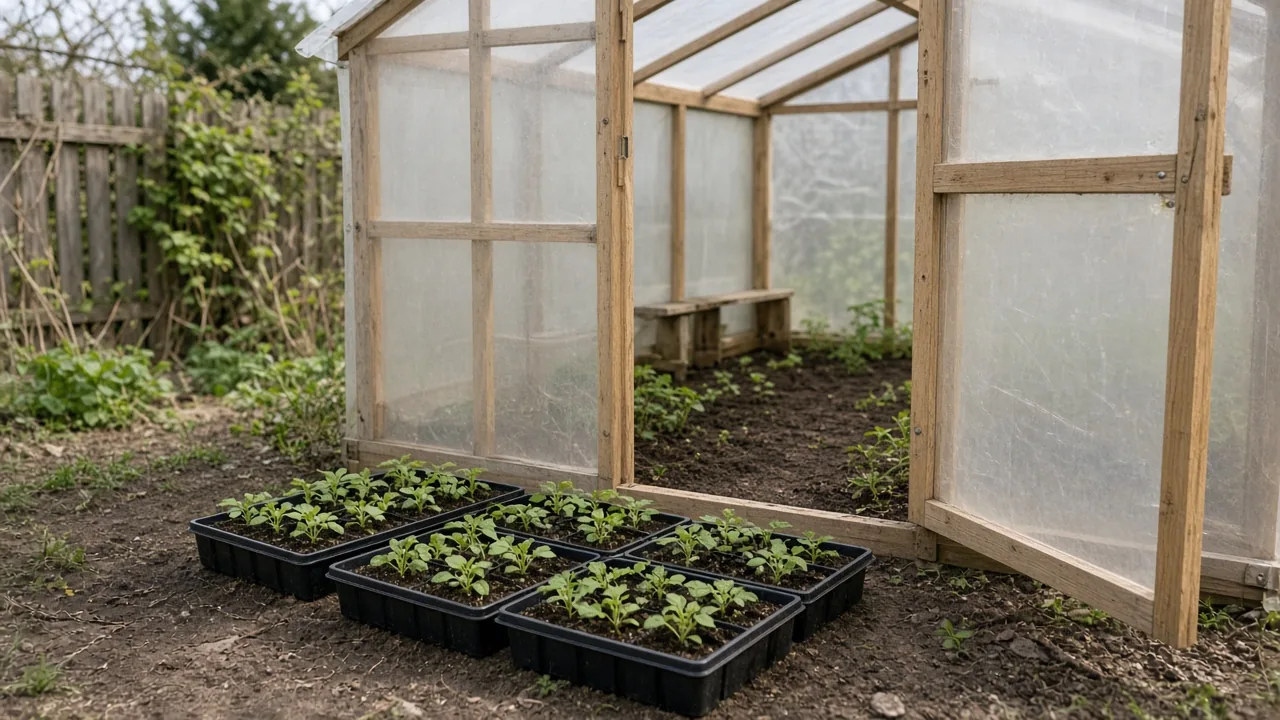
Record the sun, wind, and night temperature greenhouse seedlings already had, then use a blank log to advance, pause, or return them to cover.
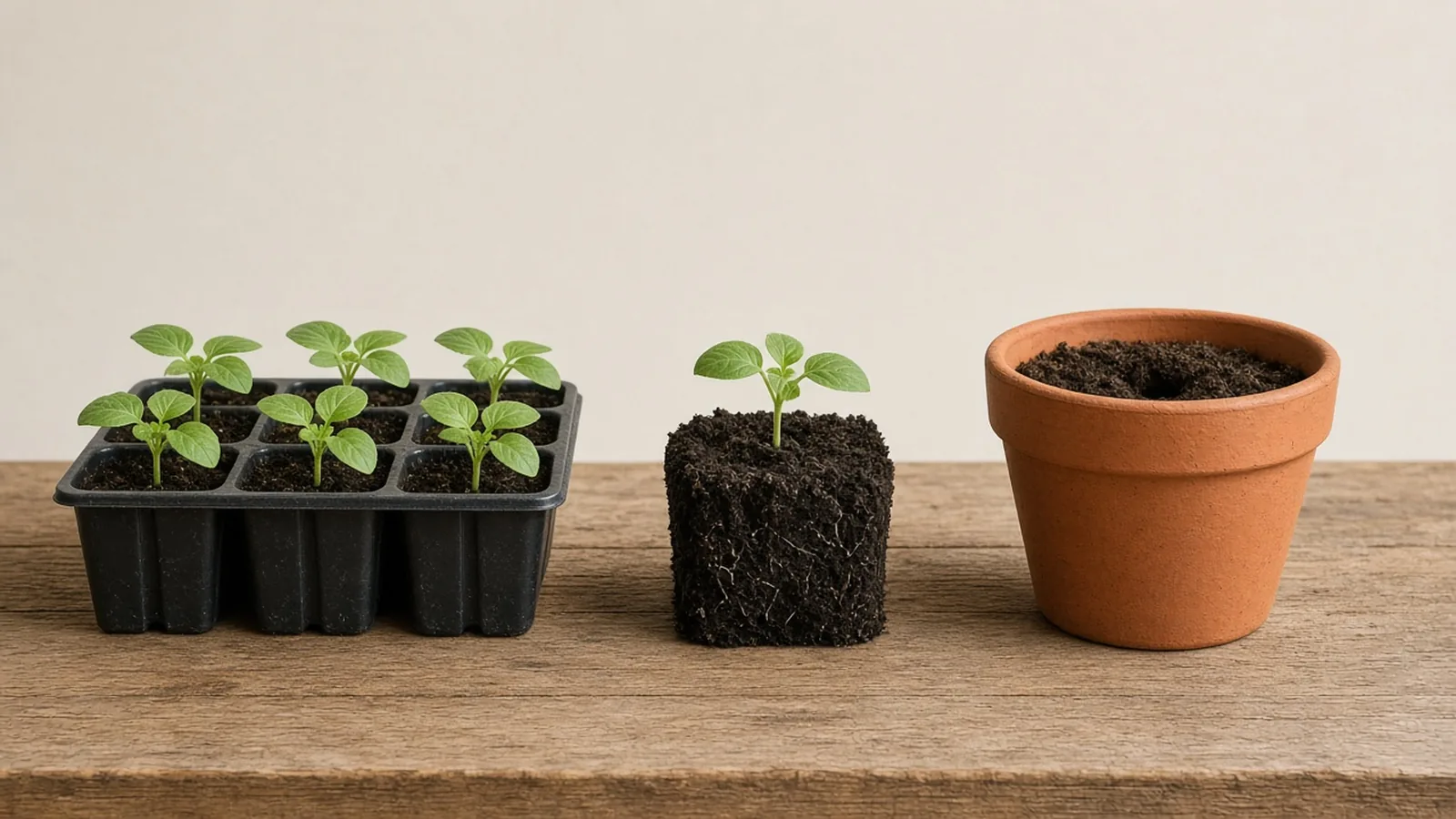
Push a whole cell plug up from the bottom, or tease woven roots apart in an open flat, then pot crowded indoor seedlings at the same depth.
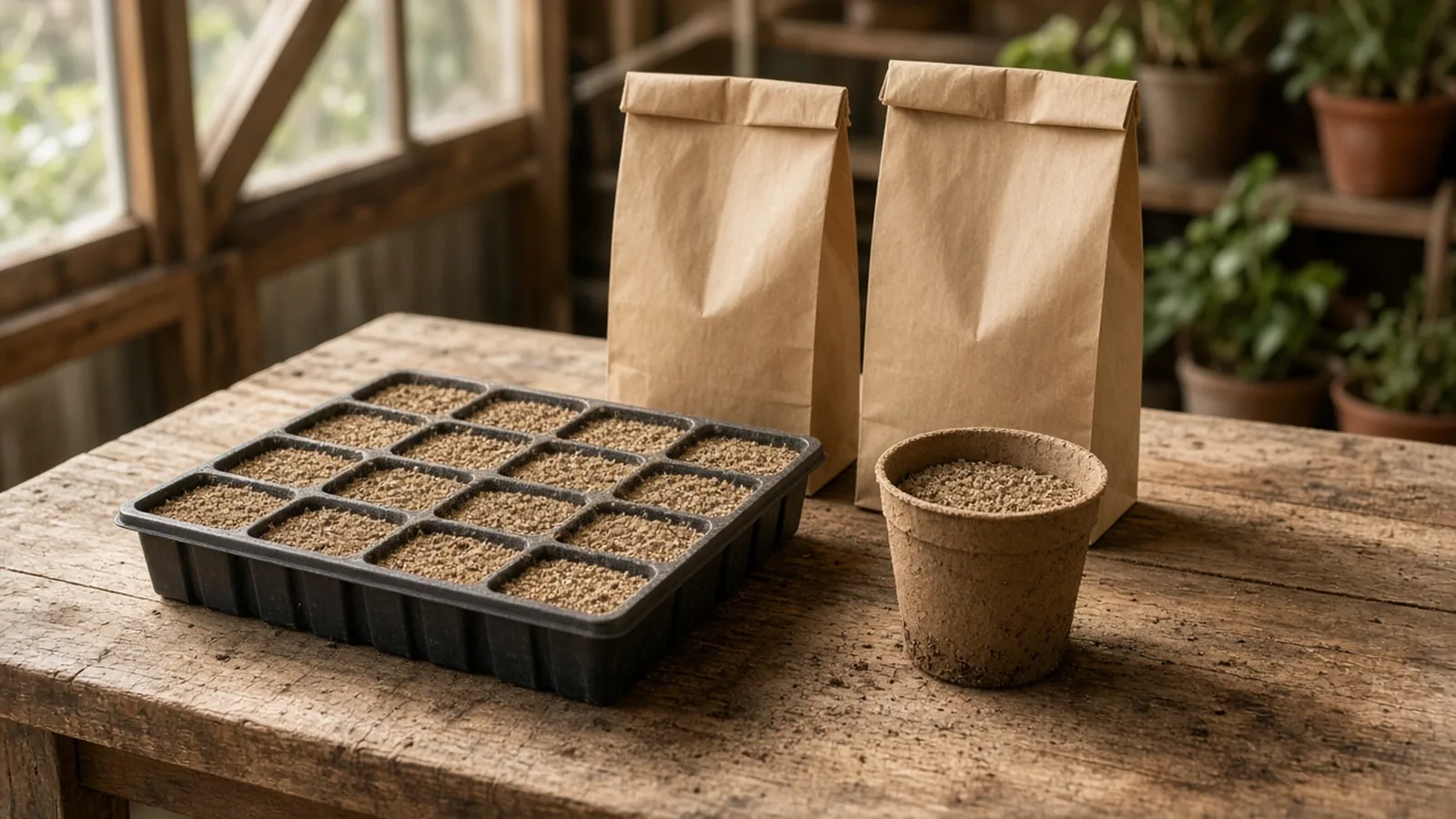
Copy four fields from the bag before you sow or pot up: the printed claim, texture, drainage, and any fertilizer line.
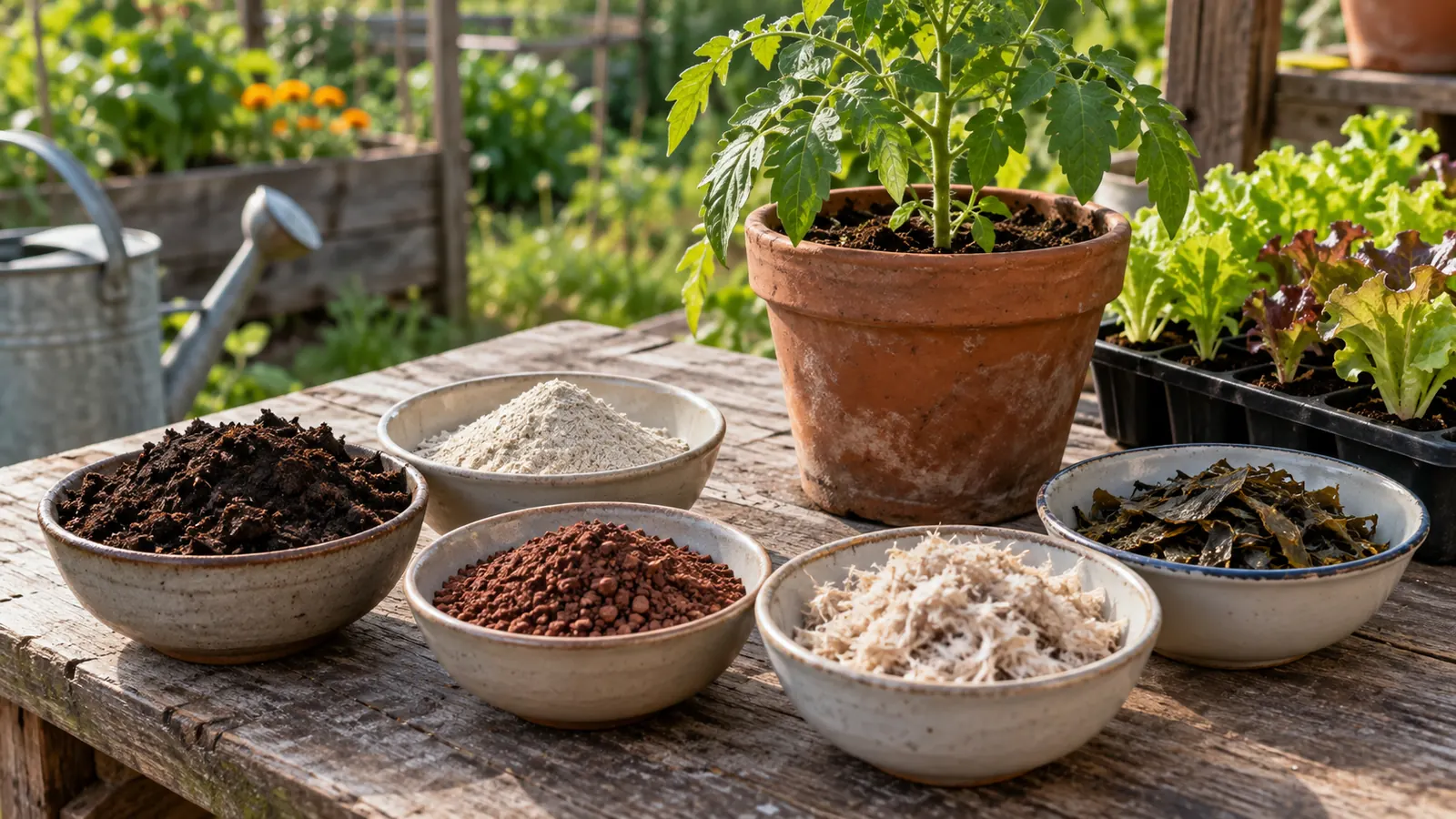
Match organic fertilizers to vegetables, tomatoes, lawns and fruit trees: read the N-P-K label, compare release speeds and work out how much to apply from a soil test.